
Description
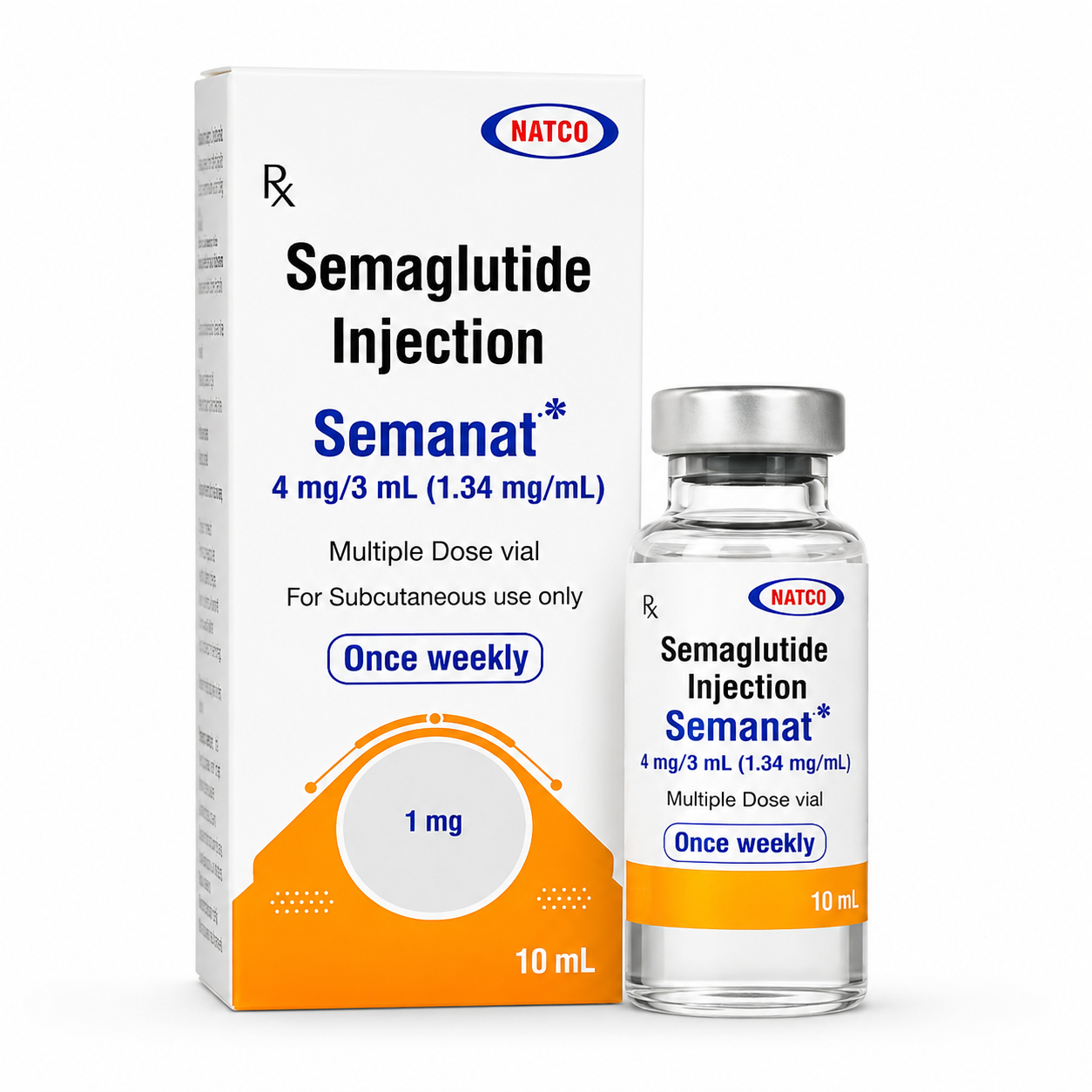
Semaglutide belongs to the GLP-1 receptor agonist class. Depending on the approved formulation, semaglutide may be prescribed for specific metabolic indications. A 1 mg strength is used in some injectable semaglutide treatment plans, but whether it is appropriate depends on the exact product, clinical indication and individual patient.
What is Semaglutide Injection 1 mg?
Semaglutide 1 mg is a strength used in some prescription injectable semaglutide regimens. Semaglutide activates GLP-1 receptors involved in glucose regulation, appetite and gastric emptying. The correct dose and schedule must come from the exact prescribing information and the patient’s clinician.
What Does Semaglutide Do?
Semaglutide activates the GLP-1 receptor. In approved indications, its effects include glucose-dependent stimulation of insulin secretion, reduction of inappropriate glucagon secretion, delayed gastric emptying and effects on appetite and satiety.
Understanding the 1 mg Strength and 10 mL Presentation
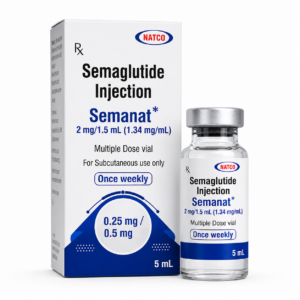
“1 mg” and “10 mL” describe different product characteristics. A milligram value refers to an amount of active ingredient, while milliliters describe liquid volume. They must not be treated as interchangeable measurements. Confirm the concentration shown on the actual label before administration.
Handling and Storage
Use the storage conditions printed on the supplied product. Do not assume that storage instructions for one semaglutide brand or formulation apply to another. Check refrigeration requirements, permitted room-temperature periods, light protection, expiration/beyond-use date and any instructions after first use.
Important Safety Information
Semaglutide is a GLP-1 receptor agonist and is not appropriate for every patient. Approved semaglutide products carry important warnings and contraindications. A healthcare professional should review the patient’s medical history, current medicines and treatment goals before use.
Common adverse reactions reported with approved semaglutide products are mainly gastrointestinal and can include nausea, vomiting, diarrhea, abdominal pain and constipation. Serious reactions can also occur, including pancreatitis, gallbladder problems, kidney injury related to volume depletion, severe gastrointestinal reactions, hypersensitivity reactions and complications of diabetic retinopathy in some patients.
Approved semaglutide labeling includes a boxed warning concerning the risk of thyroid C-cell tumors observed in rodents. Semaglutide products are contraindicated in people with a personal or family history of medullary thyroid carcinoma (MTC) or Multiple Endocrine Neoplasia syndrome type 2 (MEN 2). The relevance of the rodent findings to humans has not been established.
Tell your healthcare professional about planned surgery or procedures requiring general anesthesia or deep sedation, and discuss pregnancy or plans for pregnancy. This summary is not a substitute for the complete prescribing information for the exact product supplied.
Who Should Speak With a Healthcare Professional Before Use?
- Anyone considering semaglutide should have the exact product, indication and dose assessed by a qualified healthcare professional.
- Discuss a personal or family history of medullary thyroid carcinoma (MTC) or MEN 2, previous pancreatitis, gallbladder disease, kidney problems, severe gastrointestinal disease, diabetic retinopathy and serious allergies.
- Tell the prescriber about insulin, sulfonylureas and other medicines that can affect blood glucose, as well as other oral medicines when using oral semaglutide.
- Discuss pregnancy, plans for pregnancy or breastfeeding before treatment. Current FDA labeling advises discontinuation of semaglutide at least 2 months before a planned pregnancy because of its long washout period.
- Tell healthcare providers about semaglutide before planned surgery or deep sedation because GLP-1 receptor agonists delay gastric emptying and pulmonary aspiration has been reported.
Reviews
There are no reviews yet.