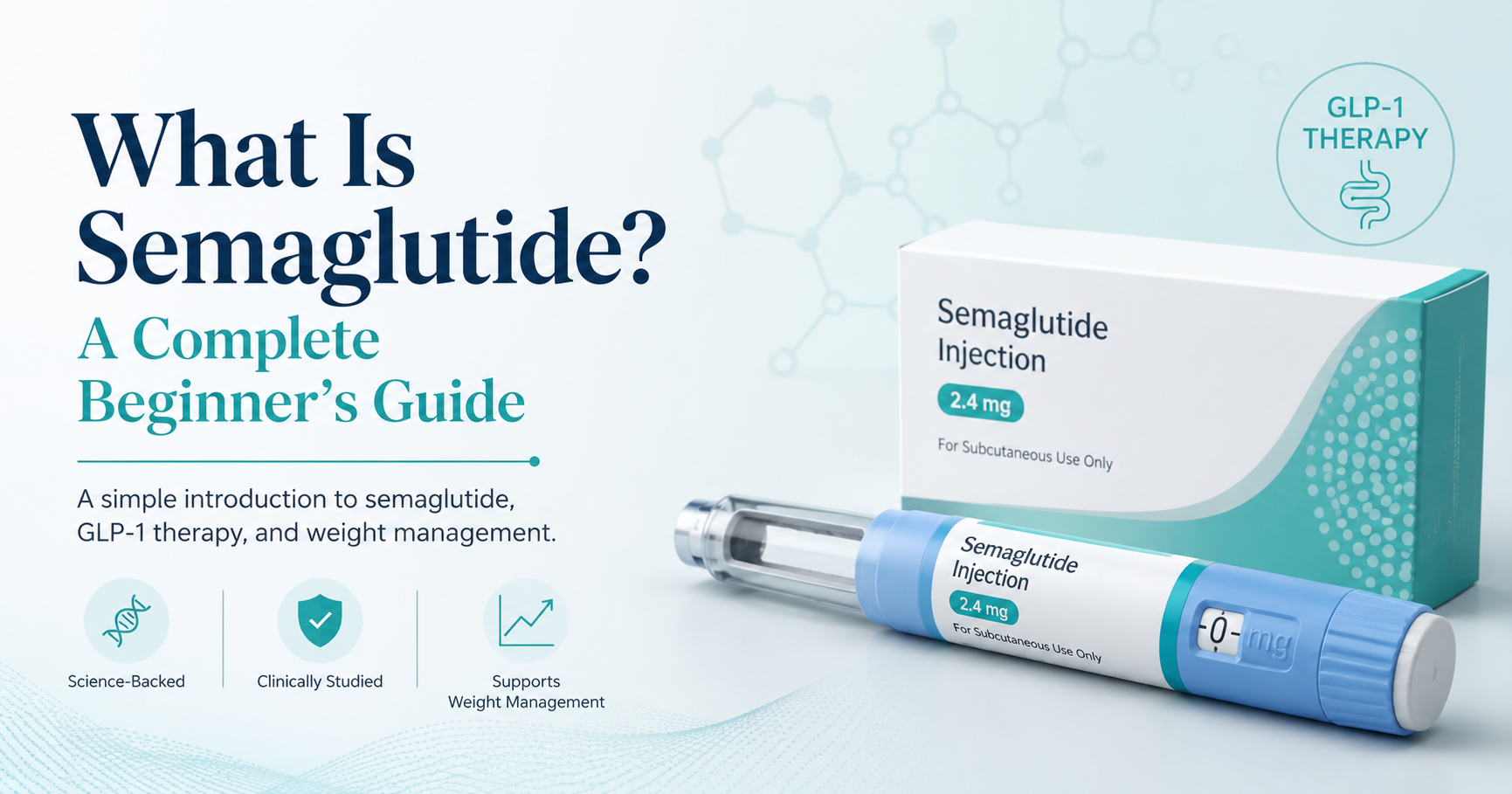
Semaglutide is a prescription medicine that acts on the GLP-1 receptor, a pathway involved in appetite, digestion and blood sugar regulation. Different semaglutide products have different FDA-approved uses and dosing schedules, so the exact product, indication and instructions should always be confirmed with a licensed healthcare professional.
Medical information note This article is for general educational information and is not a substitute for diagnosis, prescribing, dosing or individualized medical advice. Semaglutide is a prescription medicine. Product indications and instructions differ by formulation. Readers should use the exact current prescribing information and speak with a licensed healthcare professional. |
Semaglutide belongs to a group of medicines called glucagon-like peptide-1, or GLP-1, receptor agonists. GLP-1 is a hormone-related signaling pathway that helps the body respond to food. Medicines in this class can influence appetite, insulin release, glucagon signaling and the speed at which the stomach empties.
That sounds technical, but the practical point is simple: semaglutide is not one single ‘weight-loss product.’ It is an active ingredient used in several prescription products. Those products may have different FDA-approved indications, strengths, formulations and instructions. A person should not assume that two products containing semaglutide are interchangeable just because the ingredient name is the same.
What is semaglutide used for?
Semaglutide has approved uses that include type 2 diabetes management and, in specific products, chronic weight management. Current U.S. labeling also includes cardiovascular-risk reduction for certain patients and additional indications for some semaglutide products. Eligibility depends on the product and a person’s medical situation.
For weight management, prescription medication is generally considered as one part of a broader plan that also includes nutrition, physical activity, behavioral support and follow-up. NIDDK notes that weight-management medications may be considered for adults with obesity or for some adults with overweight who also have weight-related health problems. A clinician makes that decision using more than a number on the scale.
How does semaglutide work?
Semaglutide activates the GLP-1 receptor. According to current prescribing information, it can reduce calorie intake, and its effects on body weight are thought to be mediated in part through appetite. It also stimulates insulin secretion and lowers glucagon in a glucose-dependent manner. Semaglutide can delay gastric emptying, which is one reason it may affect fullness and the absorption of some oral medicines.
These effects happen gradually rather than as an instant appetite switch. Response varies from person to person, and side effects can also influence how treatment feels in the first weeks or months.
Oral semaglutide and injectable semaglutide are not automatically equivalent
Semaglutide can be given by injection or taken as a tablet, but formulation matters. The 3 mg, 7 mg and 14 mg Rybelsus strengths are labeled for type 2 diabetes, while current Wegovy labeling includes a different oral formulation and strength schedule for weight management. That distinction is especially important when reading online product pages or comparison articles.
Never translate a tablet strength into an injection dose, or vice versa. Absorption, formulation and approved instructions differ. Switching between products is a clinical decision, not a math problem.
What should people know about safety?
Common adverse effects in semaglutide weight-management trials include gastrointestinal symptoms such as nausea, diarrhea, vomiting, constipation and abdominal discomfort. Current Wegovy labeling also carries a boxed warning about thyroid C-cell tumors observed in rodents and lists important warnings involving pancreatitis, gallbladder disease, kidney injury related to dehydration, severe gastrointestinal reactions and other risks.
A medical history matters. People should tell a clinician about other medicines, prior serious reactions, pregnancy plans, diabetes treatments, digestive problems and relevant endocrine history before starting a semaglutide product. This is also why buying a prescription medicine from an unverified online source is a poor substitute for clinical care.
The most useful way to think about semaglutide
Semaglutide can be a useful treatment for appropriately selected patients, but it works best when the exact product, indication and follow-up plan are clear. Good information should help a reader understand what the medicine does, what it does not do, and what questions deserve a conversation with a clinician.
Frequently Asked Questions
Is semaglutide a GLP-1 medicine?
Yes. Semaglutide is a GLP-1 receptor agonist. It acts on the GLP-1 receptor, which is involved in appetite, glucose regulation and digestion.
Is every semaglutide product approved for weight loss?
No. Approval depends on the specific product and formulation. Do not assume all semaglutide tablets or injections have the same indication.
Does semaglutide work immediately?
Not usually. Its effects develop over time, and treatment plans often use gradual dose escalation under clinical supervision.
Can semaglutide replace diet and exercise?
No. Approved weight-management uses are paired with reduced-calorie nutrition and increased physical activity, plus medical follow-up when appropriate.