
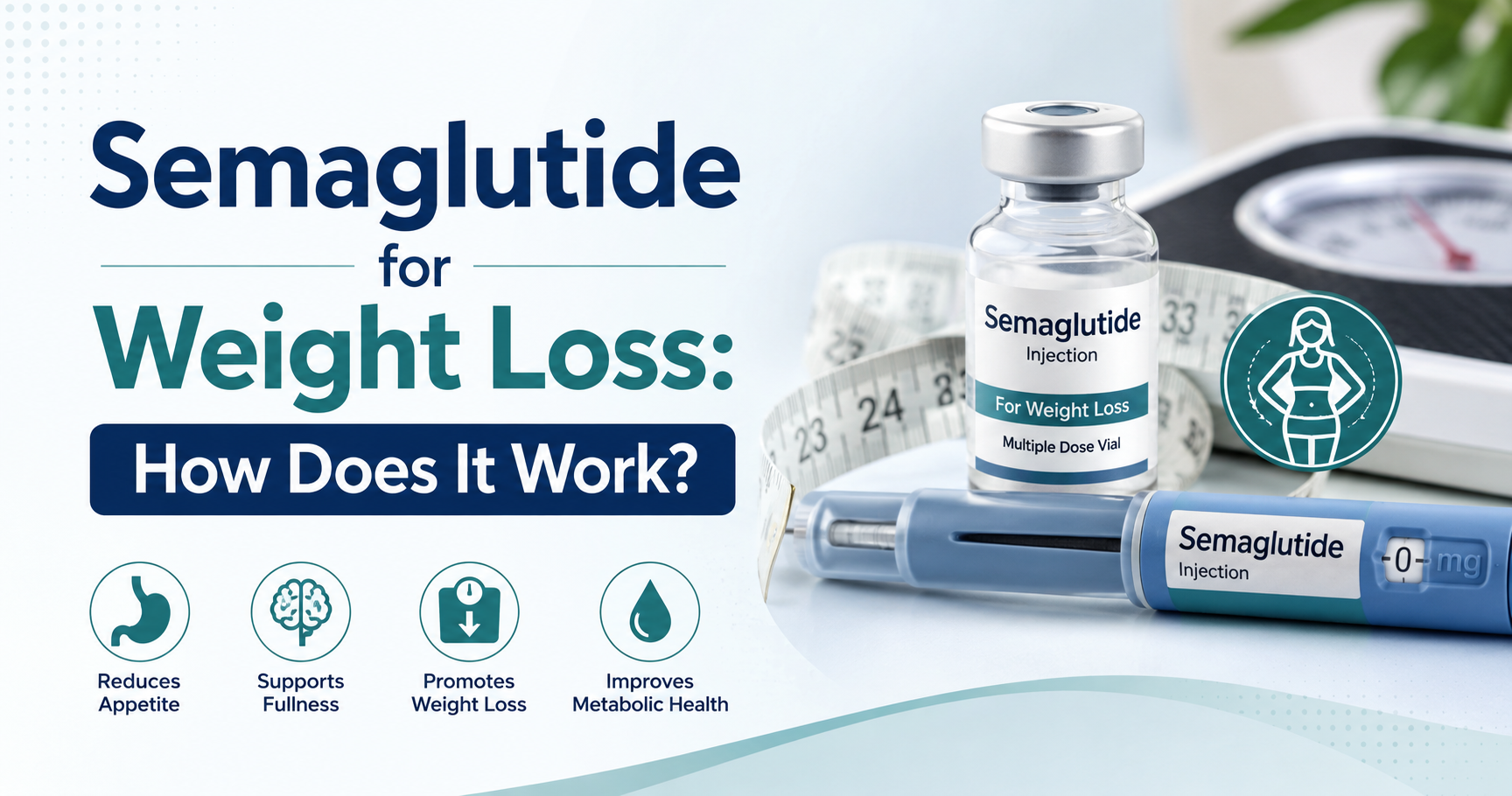
Semaglutide can support weight loss by activating GLP-1 receptors that influence appetite and calorie intake. It also slows gastric emptying and affects glucose-related hormones. For approved weight-management treatment, semaglutide is used alongside nutrition and physical activity, and individual results depend on the product, dose, health history and follow-up.
Medical information note This article is for general educational information and is not a substitute for diagnosis, prescribing, dosing or individualized medical advice. Semaglutide is a prescription medicine. Product indications and instructions differ by formulation. Readers should use the exact current prescribing information and speak with a licensed healthcare professional. |
Why GLP-1 signaling matters for weight management
Hunger is not controlled by willpower alone. The brain, gut, hormones, sleep, medications, stress and the food environment all shape appetite. Semaglutide acts on the GLP-1 receptor, one of the pathways involved in the body’s response to food.
Current Wegovy prescribing information says semaglutide decreases calorie intake and that its effects on weight are likely mediated through appetite. It also delays gastric emptying. Together, those effects may help some people feel satisfied with less food or experience less persistent hunger.
Weight loss is usually gradual
Semaglutide is not designed to produce a dramatic change overnight. Approved injection regimens use dose escalation over time, in part to reduce gastrointestinal side effects. That means the first weeks of treatment may be more about tolerability and routine than chasing a specific number on the scale.
Clinicians usually look at a broader pattern: weight trend, waist or metabolic risk, side effects, eating quality, hydration, activity, other medications and whether the treatment remains appropriate. A single week of slower progress does not tell the whole story.
Why results are different from person to person
People differ in starting weight, medical history, sleep, appetite signals, activity, medications and how well they tolerate treatment. Some may notice appetite changes early; others may need more time. People with type 2 diabetes can also have different weight responses from people without diabetes.
Online before-and-after stories can create unrealistic expectations because they rarely show the full clinical context. A safer benchmark is progress against an individualized plan, not someone else’s social-media result.
Semaglutide is part of a treatment plan, not the entire plan
FDA-approved weight-management labeling pairs semaglutide with a reduced-calorie diet and increased physical activity. That is not just fine print. Nutrition quality helps protect protein, fiber and micronutrient intake when appetite is lower, while resistance and aerobic activity support health and function.
Behavioral habits matter too. Meal planning, sleep, hydration, stress management and follow-up can make treatment easier to sustain and can help a person recognize side effects or nutritional gaps early.
Know which semaglutide product you are talking about
The word semaglutide appears on several prescription products. Rybelsus 3 mg, 7 mg and 14 mg tablets are labeled for type 2 diabetes, while Wegovy has specific weight-management labeling. Current U.S. Wegovy labeling also includes an oral formulation with different tablet strengths. These are not interchangeable products.
For that reason, an article or storefront that says only ‘semaglutide for weight loss’ without identifying the formulation and clinical context leaves out an important safety detail.
When to involve a healthcare professional
Before starting semaglutide, a clinician should review the intended product, medical history, other medicines, pregnancy plans and important contraindications or warnings. During treatment, persistent vomiting, dehydration, severe abdominal pain, symptoms of allergic reaction or other concerning changes deserve prompt medical attention.
Frequently Asked Questions
How does semaglutide cause weight loss?
It activates GLP-1 receptors and can reduce calorie intake by affecting appetite. It also delays gastric emptying, which may influence fullness.
How quickly does semaglutide work for weight loss?
The timeline varies. Appetite effects may appear before a large change on the scale, and approved treatment plans use gradual dose escalation.
Is semaglutide only for people with diabetes?
No. Certain semaglutide products are approved for chronic weight management in eligible people, while other products are approved for type 2 diabetes.
Do you still need lifestyle changes with semaglutide?
Yes. Approved weight-management treatment is used with nutrition and increased physical activity, not as a replacement for them.