
Semaglutide vs Liraglutide: What’s Different?

Semaglutide and liraglutide are both GLP-1 receptor agonists, but they are different molecules with different dosing schedules and product labeling. Wegovy semaglutide injection is generally dosed weekly, while Saxenda liraglutide is dosed daily. Treatment choice depends on indication, response, tolerability and clinical factors.

Medical information note

This article is for general educational information and is not a substitute for diagnosis, prescribing, dosing or individualized medical advice. Semaglutide is a prescription medicine. Product indications and instructions differ by formulation. Readers should use the exact current prescribing information and speak with a licensed healthcare professional.

Both act on GLP-1 receptors

The medicines share a class mechanism: both activate GLP-1 receptors. That leads to overlapping effects on appetite, glucose-related signaling and digestion.

They are not the same drug, however, and their pharmacokinetics are quite different.

Weekly versus daily injection

A practical distinction is dosing frequency. Semaglutide’s long half-life supports once-weekly injection for Wegovy, while Saxenda liraglutide is taken once daily.

Some people prefer fewer injections; others may value a different routine or have clinical reasons for one option over another.

Weight-management labeling

Both Wegovy and Saxenda have FDA-approved weight-management indications for specified populations. Current labels should be checked because indications, age groups and warnings can change over time.

The presence of the GLP-1 mechanism does not make their doses interchangeable.

Safety has familiar themes but product details matter

Both can cause gastrointestinal adverse effects and have boxed warnings related to thyroid C-cell tumors observed in rodents. Contraindications and warnings should be checked for the exact product.

A prescriber may choose based on prior tolerability, other conditions, interactions, adherence and access.

How to compare fairly

Avoid declaring a winner based on one number. Compare indication, administration burden, evidence for the patient population, safety, monitoring, cost and the person’s ability to stay on treatment.

Frequently Asked Questions

Are semaglutide and liraglutide the same drug?

No. They are different GLP-1 receptor agonists.

How often is Wegovy taken compared with Saxenda?

Wegovy semaglutide injection is generally weekly, while Saxenda liraglutide is daily.

Can doses be converted between semaglutide and liraglutide?

No simple dose conversion should be used. Switching must be clinically directed.

Do both medicines cause nausea?

Gastrointestinal side effects, including nausea, can occur with both medicines.
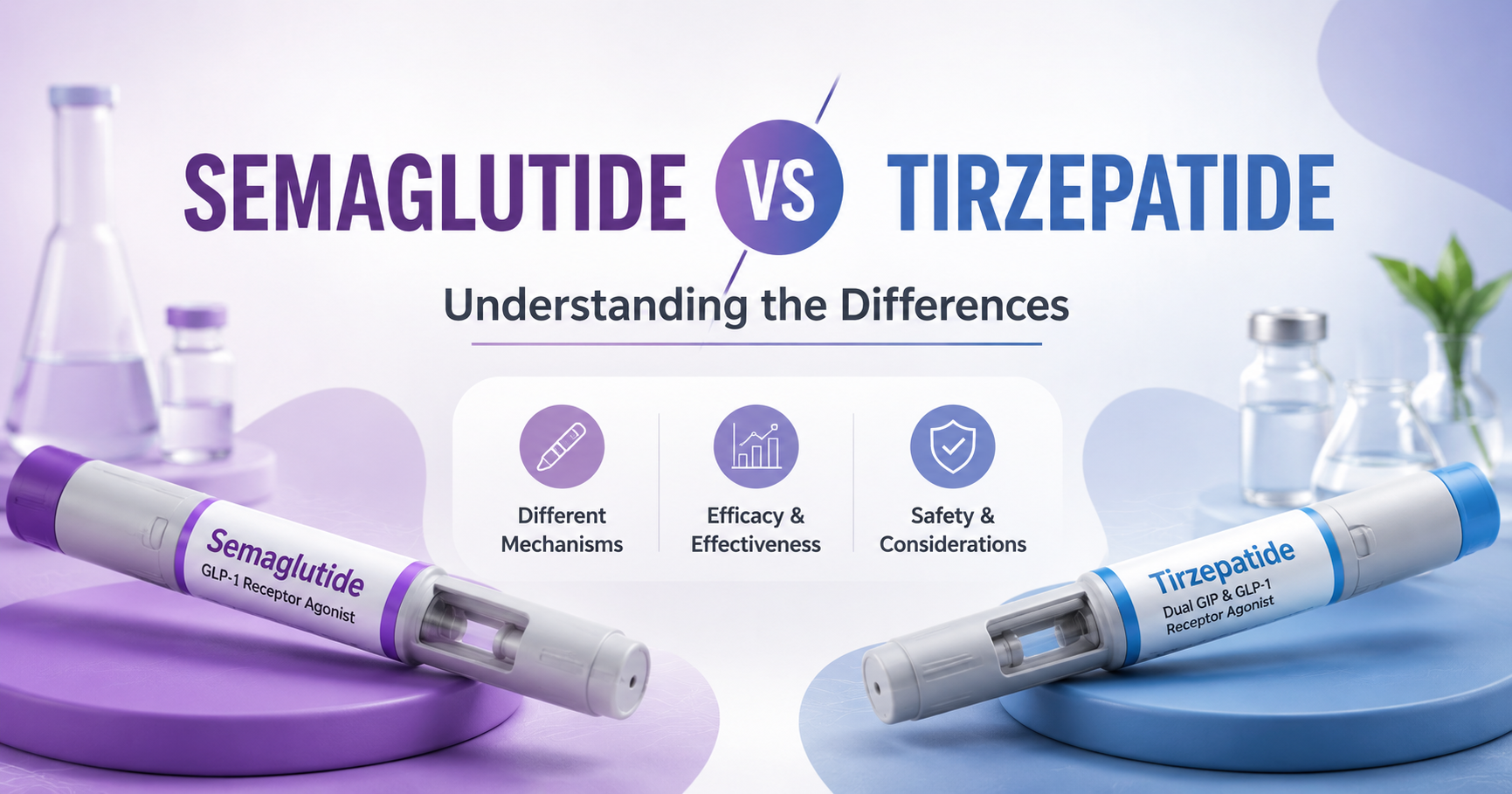
Semaglutide vs Tirzepatide: Understanding the Differences

Semaglutide is a GLP-1 receptor agonist, while tirzepatide activates both GIP and GLP-1 receptors. Both have FDA-approved products for chronic weight management, but they differ in mechanism, product labeling, doses, clinical evidence and individual response. Neither should be chosen solely from headline weight-loss percentages.

Medical information note

This article is for general educational information and is not a substitute for diagnosis, prescribing, dosing or individualized medical advice. Semaglutide is a prescription medicine. Product indications and instructions differ by formulation. Readers should use the exact current prescribing information and speak with a licensed healthcare professional.

The main mechanism difference

Semaglutide activates the GLP-1 receptor. Tirzepatide activates both GIP and GLP-1 receptors. That is the clearest pharmacologic difference and the reason tirzepatide is often described as a dual agonist.

Both can affect appetite and calorie intake, but their molecules and clinical programs are not the same.

Approved weight-management products

Wegovy contains semaglutide and Zepbound contains tirzepatide. Each has product-specific FDA labeling, dose escalation, contraindications, warnings and indications.

Do not compare a diabetes-labeled product with a weight-management-labeled product as if the names were interchangeable.

Side effects overlap

Both medicines commonly cause gastrointestinal effects such as nausea, diarrhea, vomiting and constipation. Each also carries important warnings and contraindications that must be reviewed in the current label.

Tolerance can differ between individuals, so a medicine that looks stronger in an average trial result may not be the better personal choice.

Why trial percentages do not answer “which is better for me?”

Clinical trials differ in design, population, duration, dose and comparator. Cross-trial comparisons can be misleading. Headline averages also hide wide individual variation.

A clinician considers health conditions, other medicines, prior treatment, side effects, coverage, availability and patient preference.

Switching is not a DIY decision

There is no simple milligram conversion between semaglutide and tirzepatide. Switching requires a prescriber to choose timing and a new escalation plan based on the exact products and patient situation.

Frequently Asked Questions

Is tirzepatide a GLP-1?

Tirzepatide activates both GIP and GLP-1 receptors, while semaglutide activates GLP-1 receptors.

Are Wegovy and Zepbound the same medication?

No. Wegovy contains semaglutide; Zepbound contains tirzepatide.

Which causes more weight loss?

Clinical studies report different averages, but personal choice should not be based on a simple cross-trial comparison.

Can I switch from semaglutide to tirzepatide?

A switch may be considered clinically, but timing and dosing should be directed by a prescriber.

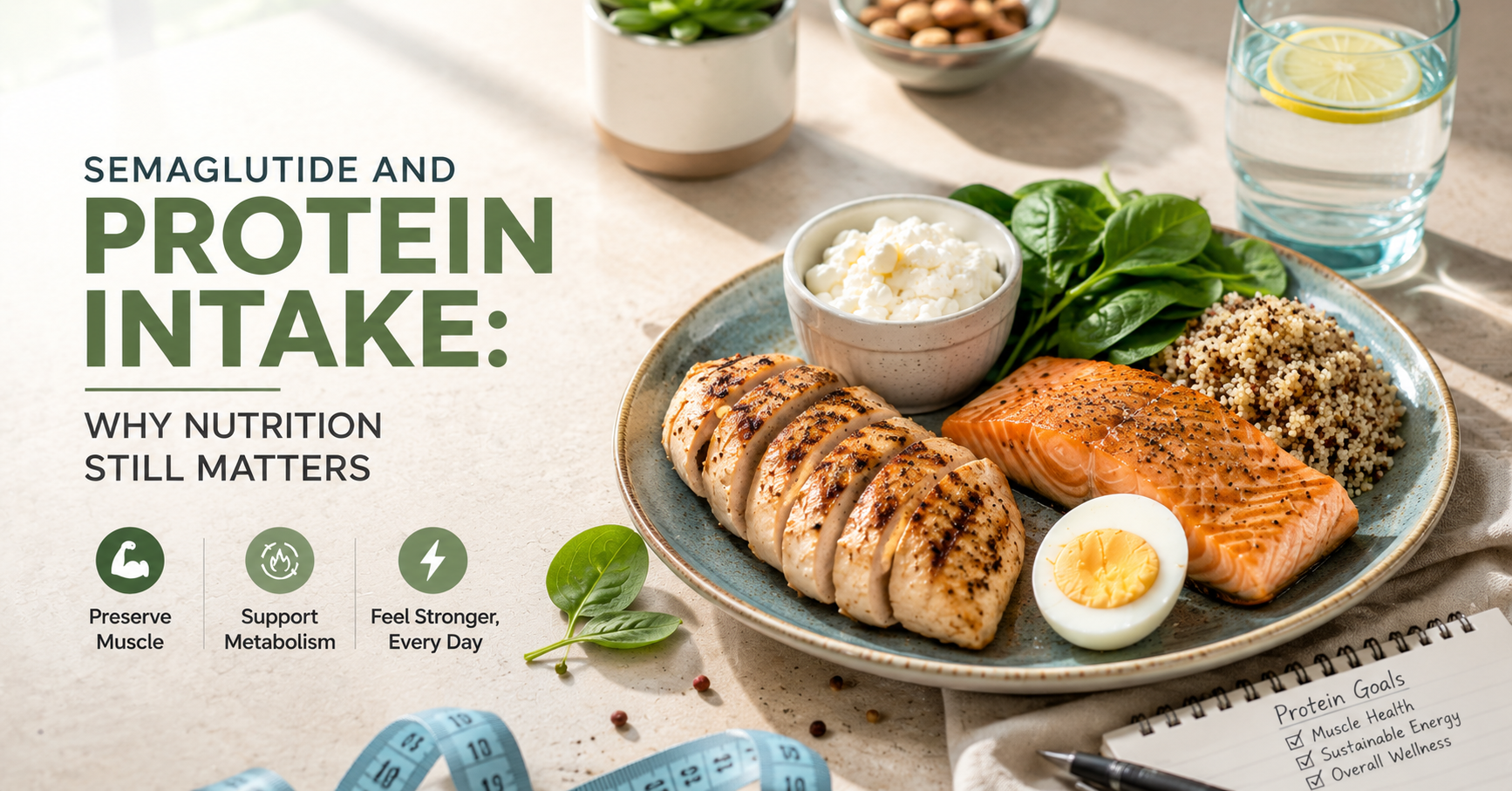
Semaglutide and Protein Intake: Why Nutrition Still Matters

Protein remains important during semaglutide-assisted weight loss because the body can lose lean tissue as well as fat. Lower appetite may make adequate intake harder. A balanced plan spreads protein across meals and pairs it with resistance exercise, while adjusting the amount for kidney health, body size and individual clinical needs.

Medical information note

This article is for general educational information and is not a substitute for diagnosis, prescribing, dosing or individualized medical advice. Semaglutide is a prescription medicine. Product indications and instructions differ by formulation. Readers should use the exact current prescribing information and speak with a licensed healthcare professional.

Weight loss is not only fat loss

Current Wegovy labeling notes that semaglutide lowers body weight with greater fat-mass loss than lean-mass loss. Even so, some lean tissue can be lost during weight reduction.

Preserving strength and function is one reason protein and resistance training deserve deliberate attention.

Lower appetite can crowd out protein

When portions get much smaller, people may eat whatever is easiest and stop before reaching the protein part of a meal. Planning helps. Starting with a protein-rich food can make nutrient intake more reliable.

Useful options can include eggs, yogurt, fish, poultry, lean meat, tofu, tempeh, legumes and protein-rich dairy alternatives depending on preferences and medical needs.

More is not always better

There is no single protein target that fits every person. Body size, age, training, kidney function and total calorie intake matter. Very high-protein advice from social media can be inappropriate for some medical conditions.

A dietitian or clinician can help set a realistic target.

Spread intake through the day

A large protein-heavy dinner can be uncomfortable for someone who feels full quickly. Smaller amounts across meals and snacks may be easier to tolerate.

This approach also supports a more balanced intake of vegetables, fruit, fiber-rich carbohydrates and healthy fats.

Pair nutrition with training

Protein provides building blocks; resistance exercise provides the training signal. Together they are more useful for preserving muscle function than focusing on the scale alone.

Frequently Asked Questions

Why is protein important on semaglutide?

Weight loss can include lean tissue, and adequate protein supports muscle maintenance and overall nutrition.

How much protein should I eat on semaglutide?

There is no universal number. Needs depend on body size, activity, age, kidney health and other clinical factors.

Should I use protein shakes on semaglutide?

They can be convenient for some people, but they are not required. Choose products that fit your nutrition and medical needs.

Can I lose muscle while taking semaglutide?

Some lean tissue can be lost during weight loss, which is why adequate nutrition and resistance training matter.

Exercise and Semaglutide: Building Sustainable Weight-Management Habits

Exercise remains important during semaglutide treatment because weight management is about health, fitness and function, not only scale change. Aerobic activity supports cardiovascular fitness, while resistance training helps maintain strength and lean tissue. The best plan starts at an appropriate level and accounts for nausea, hydration and medical conditions.

Medical information note

This article is for general educational information and is not a substitute for diagnosis, prescribing, dosing or individualized medical advice. Semaglutide is a prescription medicine. Product indications and instructions differ by formulation. Readers should use the exact current prescribing information and speak with a licensed healthcare professional.

Why movement still matters when a medicine is helping

Approved weight-management labeling pairs semaglutide with increased physical activity. Medication can influence appetite, but it does not build cardiovascular fitness, strength, balance or bone-loading habits for you.

Exercise gives the treatment plan benefits that cannot be measured by body weight alone.

Resistance training deserves a place

Weight loss can include loss of lean tissue. Strength training provides a signal to maintain muscle and function, especially when paired with adequate protein and recovery.

That does not require a bodybuilding program. Body-weight movements, resistance bands, machines or free weights can all be adapted to ability.

Aerobic activity can start simply

Walking is a practical option for many people. Over time, duration, pace or frequency can be increased. Cycling, swimming and other lower-impact activities may be better for people with joint pain or lower fitness.

Clinicians can help determine whether additional cardiovascular evaluation is needed before a more demanding program.

Adjust around side effects

Nausea, diarrhea or low intake can make hard workouts feel worse. Dehydration is particularly important because semaglutide-related gastrointestinal symptoms can reduce fluid status.

On a rough symptom day, lighter movement may be more appropriate than forcing an intense session.

Build a routine that survives busy weeks

The most effective exercise plan is not the hardest one; it is the one that can be repeated. Short sessions, scheduled walks and two or three manageable strength sessions can create a durable base.

Progress should be measured in consistency and function as well as body weight.

Frequently Asked Questions

Do I need to exercise while taking semaglutide?

Approved weight-management treatment includes increased physical activity. Exercise also supports fitness, strength and health beyond weight loss.

Is strength training useful on semaglutide?

Yes. Resistance training can help maintain strength and lean tissue during weight loss.

Can I exercise if semaglutide makes me nauseated?

Use symptoms as a guide and discuss persistent problems. Light activity may be more appropriate when nausea or dehydration is present.

What is the best exercise on semaglutide?

The best plan matches your health, fitness and preferences. A mix of aerobic activity and resistance training is a practical foundation.

Foods to Discuss With Your Healthcare Provider While Using Semaglutide

There is no single FDA list of foods that everyone must avoid with semaglutide. However, very large meals, high-fat or fried foods, heavy alcohol intake and foods that worsen an individual’s nausea, reflux, constipation or diarrhea may be harder to tolerate. Medical conditions can add specific food restrictions.

Medical information note

This article is for general educational information and is not a substitute for diagnosis, prescribing, dosing or individualized medical advice. Semaglutide is a prescription medicine. Product indications and instructions differ by formulation. Readers should use the exact current prescribing information and speak with a licensed healthcare professional.

There is no universal “do not eat” list

Semaglutide prescribing information focuses on administration, interactions, warnings and side effects rather than banning a standard list of foods. What matters most is how a person’s diet interacts with symptoms and other health conditions.

That means a useful food plan is personal, not a viral checklist.

Large, rich meals may be harder to tolerate

Semaglutide delays gastric emptying and can increase fullness. Very large meals, especially meals high in fat, may sit heavily and worsen nausea, reflux or discomfort for some people.

Smaller portions and slower eating can be a practical first adjustment.

Alcohol deserves an individual conversation

Alcohol adds calories and can affect judgment, hydration and glucose. For people with diabetes, pancreatitis risk, liver disease or other conditions, the conversation may be more important.

Ask the prescriber or pharmacist how alcohol fits with your specific medical history and other medicines.

Constipation and diarrhea require opposite strategies sometimes

Someone with constipation may benefit from gradual fiber, fluids and movement, while someone with active diarrhea may temporarily tolerate a different pattern. Forcing the same ‘high fiber’ plan on every symptom can backfire.

Persistent symptoms should be assessed, especially if hydration is difficult.

Your other diagnoses can create real restrictions

Kidney disease, diabetes, gallbladder disease, celiac disease, food allergies, eating disorders and other conditions can change the safest eating pattern. These are stronger reasons for individualized advice than the medication name alone.

Frequently Asked Questions

What foods should I avoid on semaglutide?

There is no universal banned-food list. Avoid or reduce foods that consistently worsen your symptoms and follow any condition-specific advice from your clinician.

Can I eat fatty foods on semaglutide?

Some people find high-fat or fried meals harder to tolerate because of fullness or nausea, but tolerance varies.

Can I drink alcohol on semaglutide?

Discuss alcohol with your clinician, particularly if you have diabetes, pancreatitis risk, liver disease or take other medicines.

What should I eat if semaglutide causes nausea?

Smaller, simpler meals and adequate fluids may be easier to tolerate, but persistent or severe nausea should be discussed with a healthcare professional.

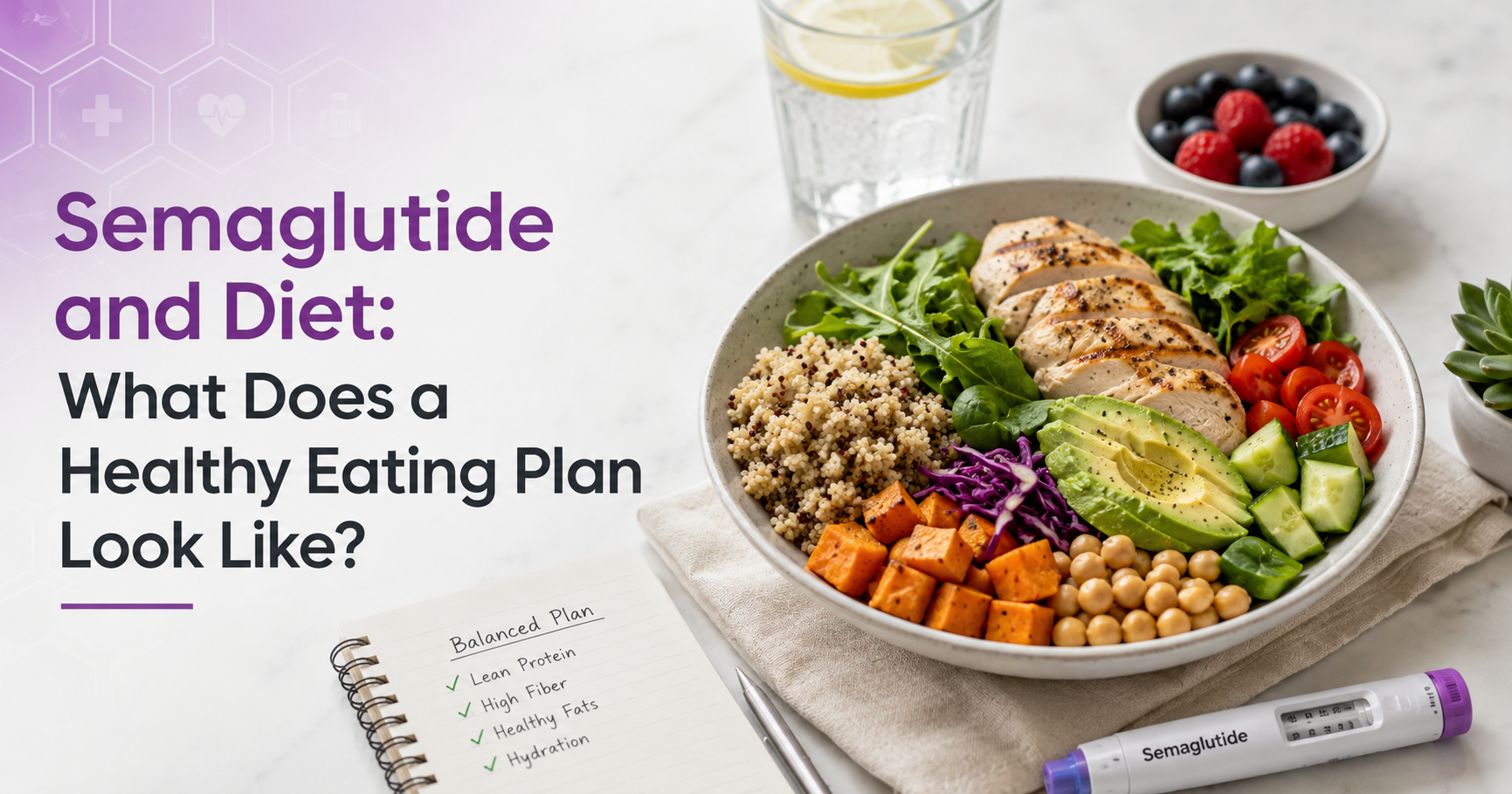
Semaglutide and Diet: What Does a Healthy Eating Plan Look Like?

A healthy eating plan with semaglutide emphasizes nutrient-dense foods rather than extreme restriction. Prioritize adequate protein, vegetables and fruit, high-fiber carbohydrates as tolerated, healthy fats and fluids. Smaller portions may feel more comfortable because semaglutide can reduce appetite and delay gastric emptying.

Medical information note

This article is for general educational information and is not a substitute for diagnosis, prescribing, dosing or individualized medical advice. Semaglutide is a prescription medicine. Product indications and instructions differ by formulation. Readers should use the exact current prescribing information and speak with a licensed healthcare professional.

Start with food quality, not a crash diet

Semaglutide already tends to reduce calorie intake. Pairing it with an aggressive crash diet can make it harder to meet protein, fiber, vitamin, mineral and fluid needs.

A better pattern is to choose foods that deliver more nutrition per bite: lean proteins, dairy or alternatives, legumes, vegetables, fruit, whole grains as tolerated, nuts, seeds and unsaturated fats.

Make protein visible in each meal

Weight loss includes some lean tissue as well as fat. Adequate protein, together with resistance exercise, can help support muscle maintenance. The right amount depends on body size, kidney function, activity and other health factors.

People with kidney disease or other conditions should get individualized protein advice rather than following a high-protein trend online.

Use fiber thoughtfully

Fiber supports bowel regularity and can improve meal quality, but jumping quickly from a low-fiber diet to a very high-fiber plan may worsen bloating or fullness. Increase gradually and drink enough fluid if your clinician has not restricted fluids.

Whole foods such as vegetables, fruit, beans, oats and whole grains can be useful choices depending on tolerance.

Smaller meals may feel better

Because semaglutide delays gastric emptying, very large meals can feel uncomfortable for some people. Slower eating and smaller portions can make it easier to notice fullness before discomfort develops.

High-fat fried meals and heavy alcohol intake may also worsen gastrointestinal symptoms in some people, though there is no universal forbidden-food list.

Hydration deserves attention

Nausea, vomiting and diarrhea can reduce fluid intake and increase fluid loss. Dehydration is one pathway to kidney injury described in semaglutide labeling.

Keep fluids visible and spread intake through the day unless a clinician has given you a fluid restriction.

Frequently Asked Questions

What should I eat while taking semaglutide?

Prioritize nutrient-dense foods with adequate protein, fiber and fluids, using smaller portions if that improves tolerance.

Do I need to avoid carbs on semaglutide?

No universal rule requires avoiding carbohydrates. Choose portions and carbohydrate sources that fit your health goals and glucose needs.

Should I eat more protein on semaglutide?

Adequate protein is important during weight loss, but the right amount is individualized, especially with kidney or other medical conditions.

Why do large meals feel uncomfortable on semaglutide?

Semaglutide delays gastric emptying and can increase fullness, so large or rich meals may be harder to tolerate for some people.

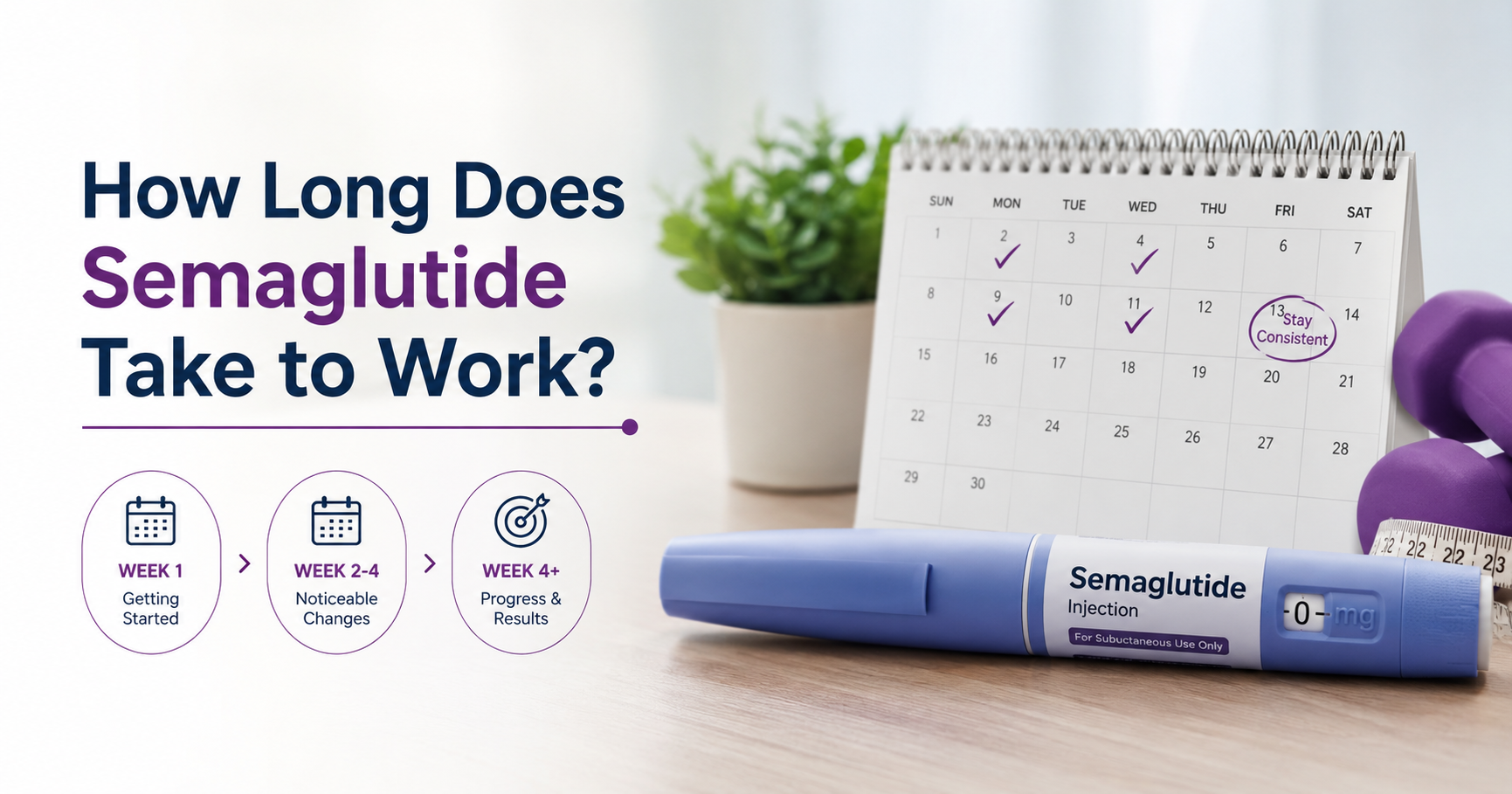
How Long Does Semaglutide Take to Work?

Semaglutide begins acting after it is taken, but noticeable weight-management results usually develop over time. Some people notice appetite or fullness changes before a large change on the scale. Approved semaglutide regimens use gradual dose escalation, so early treatment is often focused on tolerability rather than maximum effect.

Medical information note

This article is for general educational information and is not a substitute for diagnosis, prescribing, dosing or individualized medical advice. Semaglutide is a prescription medicine. Product indications and instructions differ by formulation. Readers should use the exact current prescribing information and speak with a licensed healthcare professional.

There is no single day when semaglutide “kicks in”

Semaglutide starts interacting with GLP-1 receptors after exposure, but what a person feels is more complicated. Appetite may shift before body weight does, and the dose used at the start of treatment is intentionally lower than later maintenance dosing for approved regimens.

That makes day-by-day comparisons misleading.

The scale is a lagging indicator

Body weight naturally fluctuates with fluid, sodium, bowel contents, hormones and timing. A medication can be affecting appetite before the weekly scale trend becomes obvious.

A better approach is to look at several weeks of data and consider other markers such as hunger, portion size, side effects and adherence.

Dose escalation shapes the timeline

Wegovy injection is escalated gradually over several months. This schedule is designed to reduce gastrointestinal adverse reactions. It also means that early treatment does not represent the same exposure as later maintenance treatment.

People should not increase faster to chase a deadline.

Why some people respond faster than others

Response is influenced by starting health, diabetes status, other medicines, eating pattern, activity, sleep, tolerability and individual biology. Clinical-trial averages are not personal promises.

If progress seems slower than expected, the clinician can assess whether the product is being taken correctly, whether side effects are limiting nutrition or activity, and whether another issue is affecting weight.

When to reassess

Treatment should be reviewed over time for benefit and safety. The question is not only ‘How many pounds did I lose?’ but also ‘Is this helping my health in a way that is tolerable and sustainable?’

Frequently Asked Questions

Does semaglutide work after the first dose?

The medicine begins acting, but noticeable appetite or weight changes can take time and vary by person.

Why am I not losing weight in the first month?

Starter doses are part of gradual escalation, and weight can fluctuate. Discuss the trend with your prescriber rather than changing the dose yourself.

Does appetite change before weight?

It can. Some people notice fullness or reduced hunger before a clear scale change.

Can I speed up semaglutide results?

Do not accelerate dosing without medical direction. Approved escalation schedules are designed partly for safety and tolerability.

Can Semaglutide Reduce Appetite? Understanding the Science

Yes, semaglutide can reduce appetite for some people. Current prescribing information states that semaglutide decreases calorie intake and that its body-weight effects are likely mediated by appetite. It also delays gastric emptying, which can influence fullness. Appetite response varies and should not be used as a reason to self-adjust dosing.

Medical information note

This article is for general educational information and is not a substitute for diagnosis, prescribing, dosing or individualized medical advice. Semaglutide is a prescription medicine. Product indications and instructions differ by formulation. Readers should use the exact current prescribing information and speak with a licensed healthcare professional.

Appetite is a biological signal

Hunger is generated by a network that includes the brain, gastrointestinal tract, hormones, sleep and energy needs. Semaglutide acts on one part of that network rather than simply ‘turning off’ hunger.

This is why people may describe different effects: less food noise, earlier fullness, fewer cravings, or simply smaller comfortable portions.

What the label says about calorie intake

Current Wegovy clinical pharmacology states that semaglutide decreases calorie intake and that weight effects are likely mediated by appetite. It also lowers body weight with more fat-mass loss than lean-mass loss in studied populations.

That does not mean lean tissue is protected automatically; nutrition and resistance exercise still matter.

The role of gastric emptying

Semaglutide delays gastric emptying. Food can remain in the stomach longer, which may contribute to fullness and can also affect the absorption of some oral medicines.

This effect is also relevant to side effects. Overly large or rich meals may be uncomfortable for some people, especially during dose escalation.

Less appetite is not the same as no appetite

The goal is not to avoid food. If someone becomes unable to maintain adequate hydration or nutrition, or experiences persistent vomiting, that is a treatment problem rather than a success marker.

A balanced plan uses the reduced appetite to support reasonable portions while still meeting nutritional needs.

Appetite can change over time

The intensity of appetite suppression may change as the body adapts, doses change or treatment stops. A temporary increase in hunger does not automatically mean the medication has failed.

Patterns are more useful than a single day.

Frequently Asked Questions

Does semaglutide suppress appetite?

It can reduce appetite and calorie intake through GLP-1 receptor effects, although individual response varies.

Does semaglutide make food stay in the stomach longer?

Semaglutide delays gastric emptying, which can affect fullness and the absorption of some oral medicines.

Is having no appetite a good sign?

Not necessarily. Treatment should still allow adequate nutrition and hydration. Severe appetite loss with inability to eat or drink should be discussed.

Can appetite return while taking semaglutide?

Yes. Appetite can vary with dose, adaptation, sleep, stress, meals and individual biology.


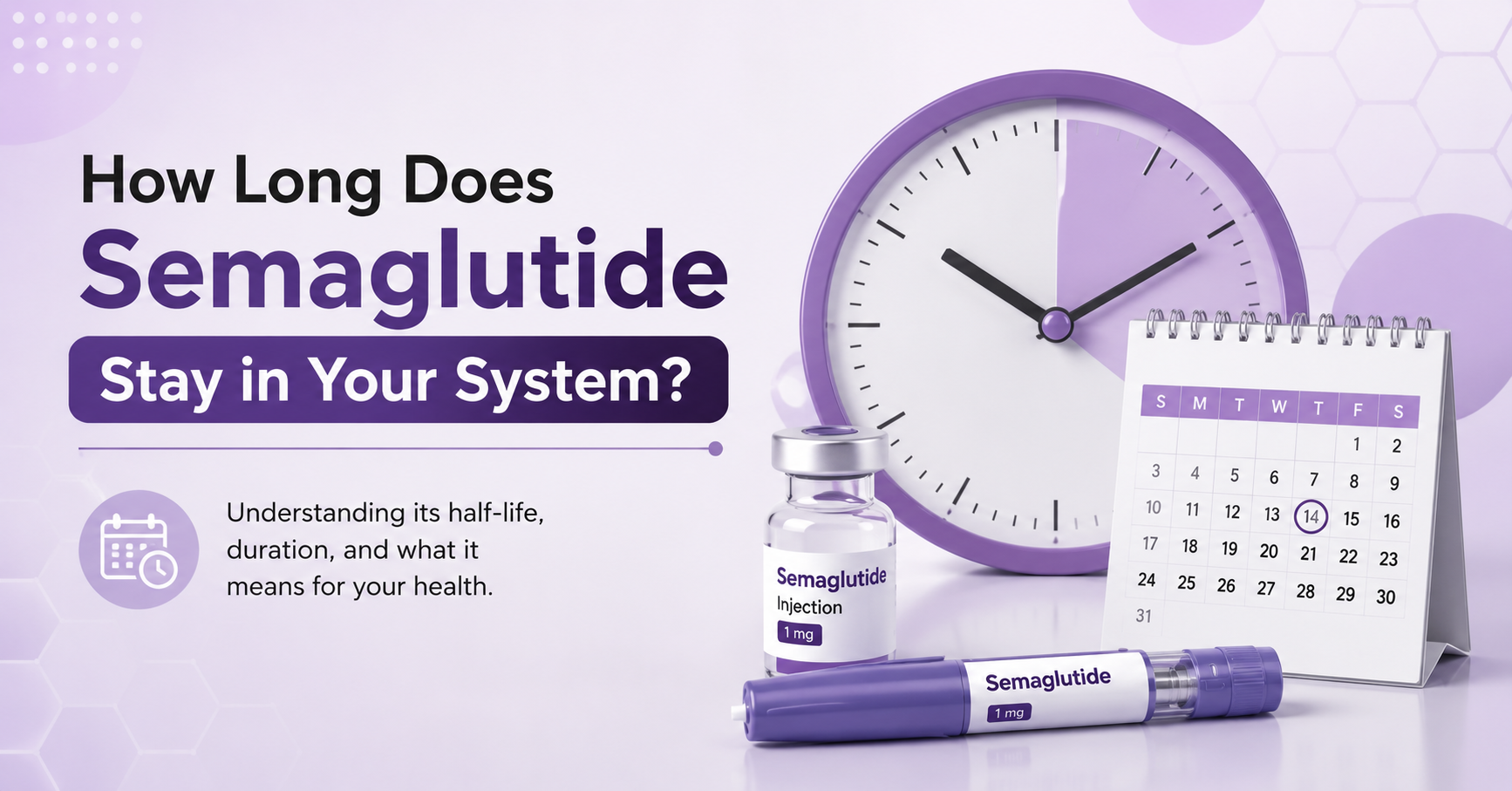
How Long Does Semaglutide Stay in Your System?

Semaglutide has an elimination half-life of about one week. Current Wegovy prescribing information states that semaglutide may remain in circulation for roughly five to seven weeks after the last dose, depending on formulation and dose. This long persistence matters for side effects, switching treatment and pregnancy planning.

Medical information note

This article is for general educational information and is not a substitute for diagnosis, prescribing, dosing or individualized medical advice. Semaglutide is a prescription medicine. Product indications and instructions differ by formulation. Readers should use the exact current prescribing information and speak with a licensed healthcare professional.

What half-life means

A drug’s half-life is the time it takes for the amount in the body to fall by roughly half. Semaglutide’s half-life is about one week, which is long compared with many medicines.

A one-week half-life does not mean the drug is completely gone after seven days. It declines gradually over multiple half-lives.

Why semaglutide can remain for several weeks

Current Wegovy labeling states that semaglutide can be present in circulation for about five to seven weeks after the last injectable dose of certain strengths or the current oral Wegovy maintenance dose.

That pharmacokinetic tail is one reason clinicians consider timing carefully when stopping, switching or planning pregnancy.

Does appetite stay reduced the whole time?

Drug presence and clinical effect are not exactly the same thing. Appetite, glucose and gastrointestinal effects may change gradually as semaglutide levels fall. People can experience different timelines.

Do not use a half-life calculation to decide when to restart or change another prescription. Product instructions and clinical context matter.

Pregnancy planning

For weight reduction and certain other indications, current Wegovy labeling advises stopping at least two months before a planned pregnancy because of semaglutide’s long half-life and potential fetal risk.

Anyone planning pregnancy should discuss timing with the prescriber rather than simply counting weeks from the last dose.

Why this matters after side effects

Because semaglutide remains in the body for a long time, adverse effects do not always stop immediately after a dose is withheld. Severe symptoms still need appropriate medical assessment.

Frequently Asked Questions

What is semaglutide’s half-life?

Approximately one week, according to current prescribing information.

Is semaglutide gone after one week?

No. A one-week half-life means levels decline by about half over that period, not that the medicine disappears.

How long can semaglutide remain in circulation?

Current Wegovy labeling states roughly five to seven weeks after the last dose for specified formulations and doses.

Why stop semaglutide before pregnancy?

Current labeling advises stopping at least two months before planned pregnancy because of the long half-life and potential fetal harm.

What to Expect When Starting a GLP-1 Weight-Management Treatment

When starting a GLP-1 weight-management medicine, the first weeks often focus on tolerability and routine rather than maximum effect. Approved semaglutide injection schedules begin at a lower dose and increase gradually. Appetite may change before weight does, while nausea, fullness, constipation or diarrhea can occur, especially during dose escalation.

Medical information note

This article is for general educational information and is not a substitute for diagnosis, prescribing, dosing or individualized medical advice. Semaglutide is a prescription medicine. Product indications and instructions differ by formulation. Readers should use the exact current prescribing information and speak with a licensed healthcare professional.

The first dose is usually not the long-term dose

Approved GLP-1 regimens commonly use titration. For Wegovy injection, current labeling starts at a low weekly dose and increases over several months. The purpose is not to delay results; it is to improve tolerability and reduce gastrointestinal adverse reactions.

Do not treat the starter phase as a reason to speed up on your own.

Appetite changes can be subtle at first

Some people notice less hunger, earlier fullness or less interest in large portions. Others notice very little initially. Both experiences can be compatible with a normal start because response develops over time.

A useful early goal is learning how your body responds rather than comparing your first week with someone else’s third month.

Food choices may need to become more intentional

When appetite falls, it becomes easier to skip meals and harder to fit in enough protein, fluids, fiber and micronutrients. Smaller meals built around nutrient-dense foods can be easier to tolerate than large or very rich meals.

People with diabetes, kidney disease, gastrointestinal conditions or a history of disordered eating need individualized nutrition guidance.

Gastrointestinal effects are common

Nausea, vomiting, diarrhea, constipation and abdominal discomfort are among the most common adverse reactions for semaglutide weight-management treatment. Symptoms can cluster around dose increases.

Contact the prescriber if symptoms are severe, persistent or interfering with hydration. Dehydration can contribute to kidney problems.

Expect follow-up, not a one-time prescription

A good GLP-1 plan includes check-ins. The clinician may review side effects, weight trend, other medicines, glucose if relevant, nutrition and whether the next dose step is appropriate.

Long-term treatment decisions should be based on benefit and tolerability, not a fixed social-media timeline.

Frequently Asked Questions

When will I notice semaglutide working?

It varies. Some people notice appetite changes early, while meaningful weight changes usually take longer.

Why does the dose increase slowly?

Gradual escalation is used to reduce gastrointestinal adverse reactions and improve tolerability.

What should I eat when starting a GLP-1?

Focus on nutrient-dense, appropriately portioned meals with adequate protein, fiber and fluids, tailored to your medical needs.

Is nausea normal when starting semaglutide?

Nausea is common, but severe or persistent nausea, vomiting or dehydration should be discussed with a clinician.


Add to cart