
Semaglutide Safety: Important Questions to Ask Your Healthcare Provider

Semaglutide can be appropriate for many eligible patients, but safety depends on the exact product, medical history, other medicines, dose and follow-up. Before treatment, ask about contraindications, gastrointestinal risks, pancreatitis and gallbladder symptoms, kidney risk from dehydration, pregnancy planning, drug interactions and how the product is sourced.

Medical information note

This article is for general educational information and is not a substitute for diagnosis, prescribing, dosing or individualized medical advice. Semaglutide is a prescription medicine. Product indications and instructions differ by formulation. Readers should use the exact current prescribing information and speak with a licensed healthcare professional.

1. What exact semaglutide product are we discussing?

Start with the product name, formulation and approved indication. Semaglutide appears in multiple prescription products, and their strengths and uses are not interchangeable.

This question is especially important online, where the ingredient name may be used more prominently than the actual labeled product.

2. Do I have any contraindications or higher-risk conditions?

Ask specifically about personal or family history of medullary thyroid carcinoma, MEN 2 and prior serious hypersensitivity. Then review gastrointestinal disease, pancreatitis history, gallbladder problems, kidney health and diabetes complications.

A clinician may also need to consider upcoming procedures requiring anesthesia or deep sedation because semaglutide delays gastric emptying.

3. How could semaglutide interact with my other medicines?

Semaglutide can affect gastric emptying, which may influence absorption of oral medicines. If someone uses insulin or a sulfonylurea, glucose management may need closer attention.

Bring a complete medication and supplement list. Do not assume over-the-counter products are irrelevant.

4. What side effects should trigger a call?

Ask for a practical plan before the first dose: which symptoms are expected, what can be managed at home, when to contact the clinic and when to seek urgent care.

A good plan is particularly important for vomiting, persistent diarrhea, severe abdominal pain, allergic symptoms or signs of dehydration.

5. Is the source legitimate and the product FDA-approved?

If medication is obtained online, verify that a licensed healthcare professional is involved and that the pharmacy is appropriately licensed. FDA states that compounded drugs are not FDA-approved and that FDA does not verify their safety, effectiveness or quality before marketing.

Claims that a compounded product is ‘FDA-approved’ or simply ‘the same as’ an approved brand are red flags.

6. How will we decide whether treatment is helping?

Agree on follow-up. Useful measures can include weight trend, health markers, side effects, nutrition, activity, medication adherence and quality of life. Safety and benefit should be reassessed over time.

Frequently Asked Questions

Is semaglutide safe for everyone?

No. It has contraindications, warnings and side effects, so suitability depends on medical history and the exact product.

Why should I mention surgery to my semaglutide prescriber?

Semaglutide delays gastric emptying, and GLP-1 use is relevant to anesthesia and deep sedation planning.

Are compounded semaglutide products FDA-approved?

No. FDA states that compounded drugs are not FDA-approved and are not reviewed for safety, effectiveness or quality before marketing.

What should I bring to a semaglutide appointment?

Bring your medication list, medical history, allergies, pregnancy plans, prior weight-management treatments and questions about the exact product and follow-up plan.


 

Semaglutide Side Effects: What Patients Should Know

The most common semaglutide side effects are gastrointestinal, including nausea, diarrhea, vomiting, constipation and abdominal discomfort. Some reactions can be serious. Current prescribing information also warns about pancreatitis, gallbladder disease, dehydration-related kidney injury, severe gastrointestinal reactions, hypersensitivity and other product-specific risks.

Medical information note

This article is for general educational information and is not a substitute for diagnosis, prescribing, dosing or individualized medical advice. Semaglutide is a prescription medicine. Product indications and instructions differ by formulation. Readers should use the exact current prescribing information and speak with a licensed healthcare professional.

The most common side effects are digestive

In current Wegovy labeling, common adverse reactions include nausea, diarrhea, vomiting, constipation and abdominal pain, along with symptoms such as indigestion, abdominal distension and reflux. These effects are often more noticeable during dose escalation.

A side effect being common does not mean it should be ignored. Persistent vomiting or diarrhea can lead to dehydration, which can contribute to kidney injury in some patients.

Why gradual dose escalation is used

Semaglutide exposure is typically increased step by step in approved regimens. One reason is to reduce the risk of gastrointestinal adverse reactions while the body adjusts.

Taking more than prescribed, measuring compounded products incorrectly or accelerating a schedule without clinical guidance can increase risk rather than improve outcomes.

Important symptoms that deserve prompt attention

Severe, persistent abdominal pain may require evaluation for pancreatitis. Symptoms suggesting gallbladder disease, serious allergic reaction, significant dehydration or another acute problem should be assessed promptly. People with diabetes should also follow product-specific advice about glucose and eye complications.

Before surgery or deep sedation, the care team should know about GLP-1 use because delayed gastric emptying has been associated with rare reports of pulmonary aspiration despite fasting.

The thyroid boxed warning

Wegovy carries a boxed warning because semaglutide caused thyroid C-cell tumors in rodents. It is unknown whether this occurs in humans. The medicine is contraindicated in people with a personal or family history of medullary thyroid carcinoma or MEN 2.

This is an example of why online checklists cannot replace a medical history.

Side effects should be managed, not normalized

People sometimes assume that severe nausea means the medication is working. That is not a safe rule. Treatment should be tolerable enough to support hydration, nutrition and daily life.

If side effects are interfering with eating, drinking or normal function, the prescriber may need to reassess the plan. Do not change dose or stop an important medicine without appropriate guidance unless emergency care is needed.

Frequently Asked Questions

What is the most common side effect of semaglutide?

Gastrointestinal effects are most common, especially nausea, diarrhea, vomiting, constipation and abdominal discomfort.

Can semaglutide cause dehydration?

Yes. Vomiting or diarrhea can lead to dehydration, which may contribute to kidney injury in some patients.

Does semaglutide have a thyroid warning?

Yes. Wegovy carries a boxed warning related to thyroid C-cell tumors seen in rodents and is contraindicated in people with MTC history or MEN 2.

When should I call a doctor about side effects?

Seek medical advice for severe or persistent symptoms, inability to keep fluids down, severe abdominal pain, signs of allergic reaction or other concerning changes.


Who May Be a Candidate for Semaglutide for Weight Management?

A clinician may consider an FDA-approved weight-management medicine for adults with obesity or for some adults with overweight who also have weight-related health problems. Semaglutide eligibility depends on the exact product plus medical history, other medicines, pregnancy plans, contraindications, treatment goals and the ability to follow up safely.

Medical information note

This article is for general educational information and is not a substitute for diagnosis, prescribing, dosing or individualized medical advice. Semaglutide is a prescription medicine. Product indications and instructions differ by formulation. Readers should use the exact current prescribing information and speak with a licensed healthcare professional.

Eligibility starts with the approved indication

NIDDK explains that healthcare professionals commonly use BMI and weight-related health problems when deciding whether prescription weight-management medication may be appropriate. That is a starting point, not the entire evaluation.

The exact FDA-approved product matters. A diabetes-labeled semaglutide product should not be treated as automatically interchangeable with a weight-management-labeled product.

BMI is a screening tool, not a complete health assessment

BMI can help identify weight categories at a population level, but it does not capture body composition, fat distribution, fitness, medications or the full medical picture. A clinician may also consider blood pressure, glucose status, sleep apnea, lipids, cardiovascular disease and other weight-related conditions.

The goal is to understand health risk and treatment benefit, not to reduce a person to one number.

Medical history can change the decision

Current semaglutide labeling includes contraindications and warnings that make medical history essential. A personal or family history of medullary thyroid carcinoma or MEN 2 is particularly important for Wegovy. Prior serious hypersensitivity, pancreatitis history, severe digestive symptoms, gallbladder problems and kidney issues may also affect the discussion.

People who use insulin or medicines that stimulate insulin release may need additional glucose-related monitoring because of hypoglycemia risk.

Pregnancy plans matter

Semaglutide is not a routine weight-loss medicine for pregnancy. Current Wegovy labeling advises discontinuation at least two months before a planned pregnancy because semaglutide has a long half-life.

Anyone who is pregnant, planning pregnancy or breastfeeding should discuss the product-specific risks and recommendations with a qualified clinician.

Readiness for follow-up is part of candidacy

A prescription is not the end of the process. Safe use includes monitoring side effects, nutrition, hydration, treatment response and other medicines. A person who cannot access reliable follow-up may need a different treatment pathway.

Good care also sets realistic goals. The aim is better health and sustainable weight management, not a guaranteed number by a fixed date.

Frequently Asked Questions

What BMI qualifies for weight-loss medication?

Eligibility depends on the product. Clinicians commonly consider obesity, or overweight with weight-related health problems, along with the full medical picture.

Can someone without diabetes use semaglutide for weight management?

Certain semaglutide products are approved for eligible people without diabetes. Product-specific labeling and medical evaluation matter.

Who should not use Wegovy?

Current labeling lists contraindications including a personal or family history of medullary thyroid carcinoma, MEN 2, or prior serious hypersensitivity to semaglutide or product excipients.

Why is medical follow-up needed?

Follow-up helps assess benefit, side effects, hydration, nutrition, drug interactions and whether treatment remains appropriate.


Semaglutide and GLP-1: How Are They Connected?

Semaglutide is a GLP-1 receptor agonist, meaning it activates the same receptor used by the natural hormone GLP-1. This influences appetite, insulin release, glucagon signaling and gastric emptying. The medicine lasts much longer than natural GLP-1, which allows prescription formulations to be used on daily or weekly schedules.

Medical information note

This article is for general educational information and is not a substitute for diagnosis, prescribing, dosing or individualized medical advice. Semaglutide is a prescription medicine. Product indications and instructions differ by formulation. Readers should use the exact current prescribing information and speak with a licensed healthcare professional.

Natural GLP-1 versus a GLP-1 medicine

Natural GLP-1 is released from the gut after food reaches the digestive system. It is part of the body’s meal-response network. The natural hormone is broken down quickly, so its signal is short-lived.

Semaglutide is engineered to resist rapid breakdown and remain active much longer. That longer activity is what makes it useful as a prescription medicine.

What happens when semaglutide activates the receptor

Semaglutide stimulates insulin secretion and reduces glucagon in a glucose-dependent way. For weight management, prescribing information also describes reduced calorie intake and appetite-related effects. Gastric emptying is delayed as well.

These actions explain why the same active ingredient has been studied across diabetes, obesity and cardiovascular outcomes rather than in only one narrow area.

Why the connection matters for side effects

The GLP-1 pathway also helps explain common gastrointestinal effects. Slower gastric emptying and changes in appetite can come with nausea, fullness, belching, constipation or diarrhea in some people.

Clinicians often use gradual dose escalation to improve tolerability. Persistent or severe symptoms should be discussed rather than treated as proof that the medicine is ‘working harder.’

Why semaglutide is not the only GLP-1 option

Liraglutide is another GLP-1 receptor agonist. Tirzepatide activates both GIP and GLP-1 receptors. These medicines differ in dosing schedules, indications, clinical evidence and safety labeling.

Choosing among them is a medical decision, not a contest based on social-media weight-loss numbers.

A better way to read GLP-1 claims

When an article says a product is ‘GLP-1,’ check whether it names the actual prescription medicine, exact formulation and approved indication. The category describes a mechanism; it does not erase product-specific differences.

Frequently Asked Questions

Is semaglutide the same as GLP-1?

No. GLP-1 is a natural hormone pathway; semaglutide is a medicine that activates the GLP-1 receptor.

What does GLP-1 do for appetite?

GLP-1 signaling is involved in appetite and satiety. Semaglutide can reduce calorie intake through effects thought to involve appetite.

Why does semaglutide slow digestion?

Semaglutide delays gastric emptying, a known pharmacologic effect of GLP-1 receptor activation.

Are all GLP-1 drugs semaglutide?

No. Semaglutide is one GLP-1 receptor agonist among several medicines in or related to this class.


GLP-1 Medications Explained: What You Should Know

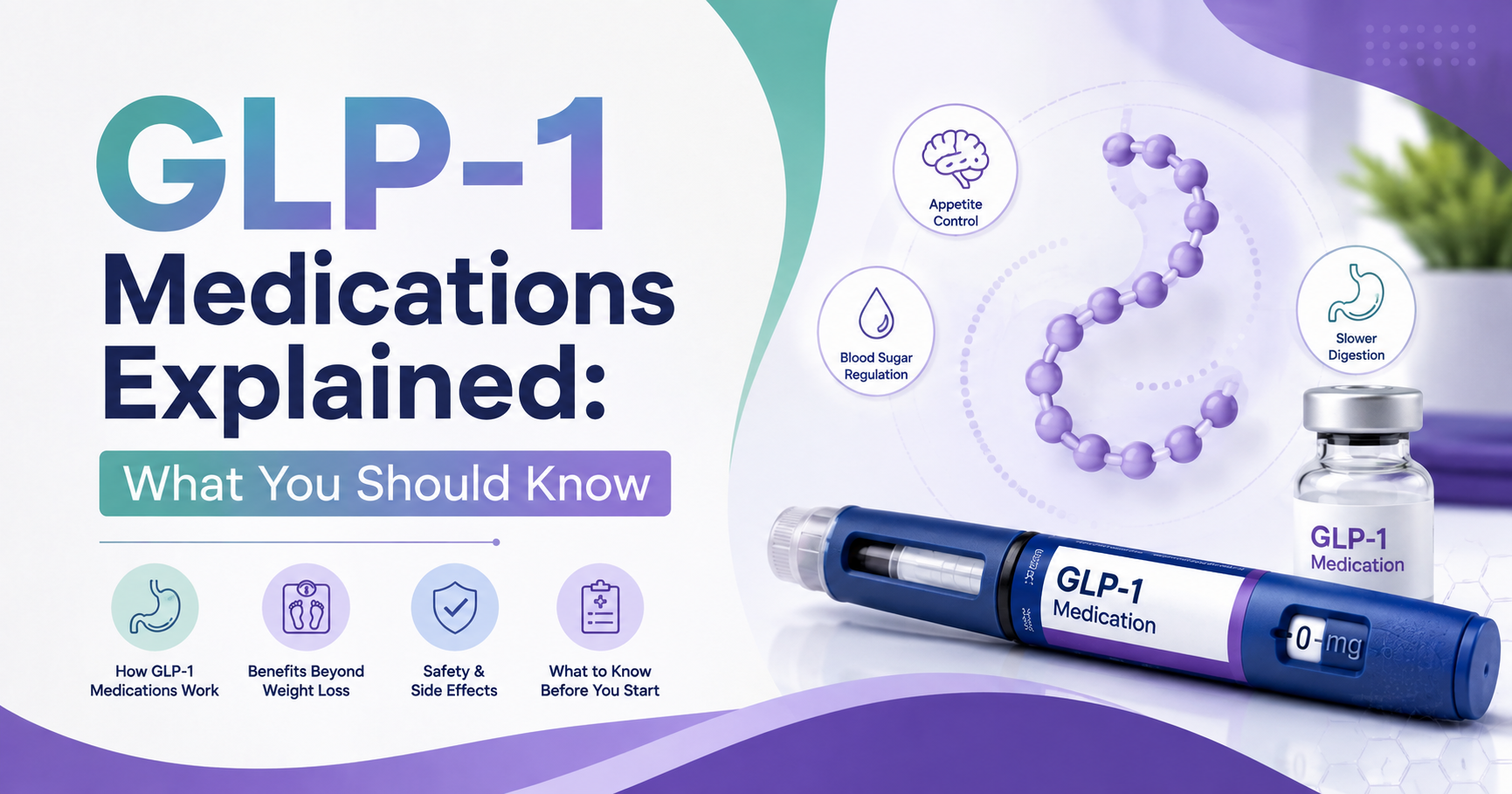
GLP-1 medications activate the glucagon-like peptide-1 receptor, a pathway involved in insulin release, glucagon signaling, appetite and digestion. Medicines in this class are used for different indications, including type 2 diabetes and, for specific products, chronic weight management. They are prescription treatments with important side effects and precautions.

Medical information note

This article is for general educational information and is not a substitute for diagnosis, prescribing, dosing or individualized medical advice. Semaglutide is a prescription medicine. Product indications and instructions differ by formulation. Readers should use the exact current prescribing information and speak with a licensed healthcare professional.

What does GLP-1 mean?

GLP-1 stands for glucagon-like peptide-1. The body releases natural GLP-1 after eating. It participates in meal-related signaling, including insulin secretion, glucagon suppression, appetite and digestive motility.

GLP-1 receptor agonist medicines are designed to activate that receptor for longer than the natural signal lasts. Semaglutide and liraglutide are examples. Tirzepatide is different because it activates both GIP and GLP-1 receptors.

Why are GLP-1 medicines used?

Different products have different FDA-approved uses. Some are diabetes medicines. Some are approved for chronic weight management in eligible patients. Some products have cardiovascular-risk or other indications based on clinical-trial evidence.

This is why it is inaccurate to call every GLP-1 product a ‘weight-loss shot.’ The active ingredient, brand, formulation, dose and indication all matter.

How can GLP-1 medicines affect appetite?

Current labeling for semaglutide and tirzepatide describes reduced calorie intake and appetite-related effects. Many people report feeling full sooner or having less drive to eat, although the experience is not identical for everyone.

A lower appetite can be helpful, but it also makes food quality more important. Protein, fiber, fluids and micronutrients can be unintentionally neglected when portions become much smaller.

What side effects are common?

Gastrointestinal symptoms are common across this class. Depending on the product, nausea, vomiting, diarrhea, constipation, abdominal discomfort and reflux-like symptoms may occur. Dose escalation is often designed to improve tolerability.

There are also less common but important risks and contraindications. Anyone considering a GLP-1 medicine should read the medication guide and discuss medical history and other prescriptions with a clinician.

How to evaluate GLP-1 information online

Look for the exact product name and a link to current prescribing information. Be cautious with pages that promise guaranteed results, encourage dose changes without a prescriber, or describe compounded products as ‘the same as’ FDA-approved medicines.

FDA has increased enforcement and warnings around misleading marketing of non-FDA-approved compounded GLP-1 products. Consumer education is part of safe treatment.

Frequently Asked Questions

Is semaglutide a GLP-1 medication?

Yes. Semaglutide is a GLP-1 receptor agonist.

Is tirzepatide a GLP-1 medication?

Tirzepatide activates both GIP and GLP-1 receptors, so it is a dual GIP/GLP-1 receptor agonist.

Are GLP-1 medicines only for diabetes?

No. Specific products are approved for weight management and other indications, while others are diabetes treatments.

Do GLP-1 medicines require a prescription?

Yes. These are prescription medicines and should be used with appropriate clinical supervision.

Oral Semaglutide vs Injectable Semaglutide: Key Differences Explained

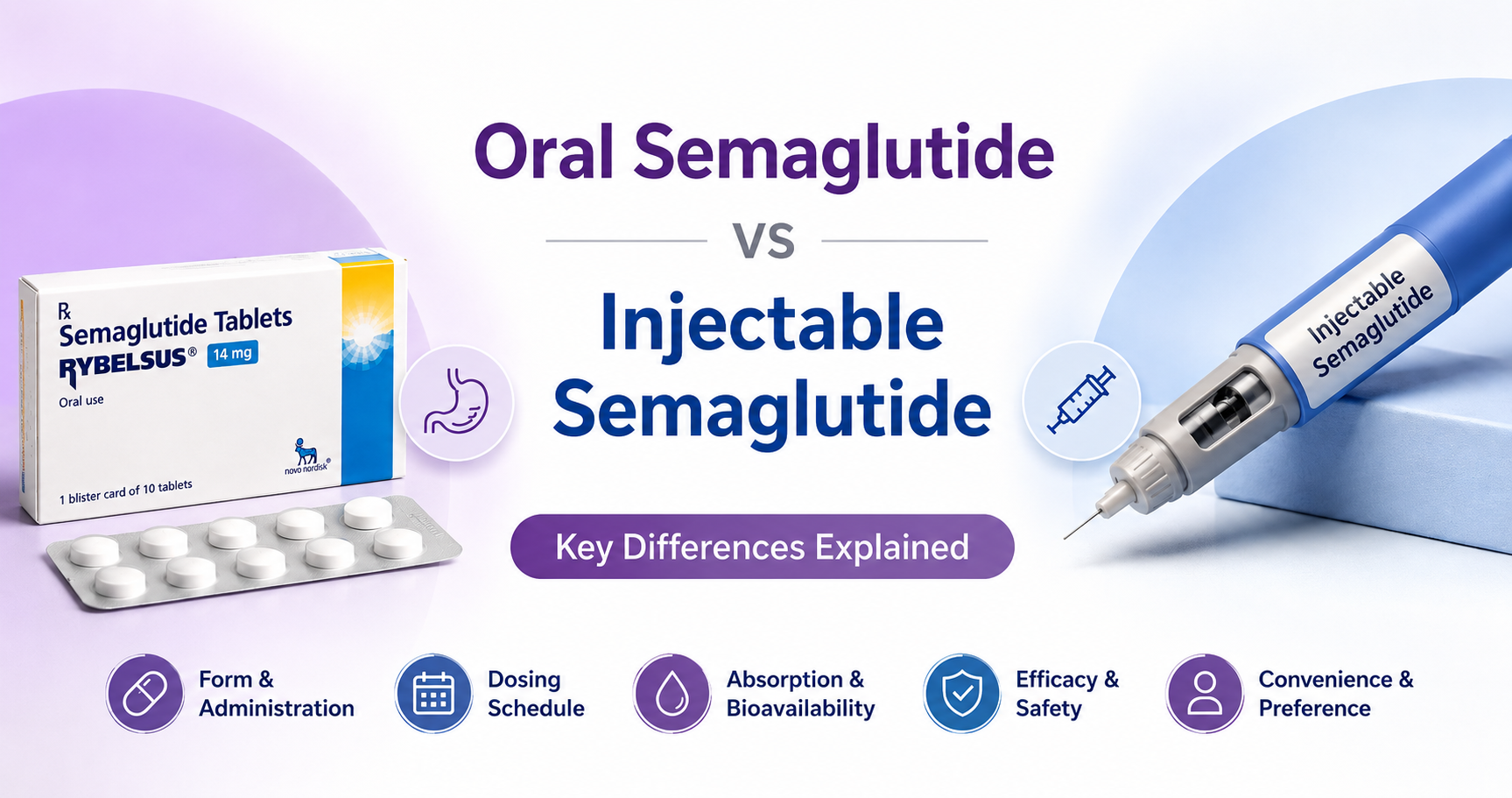
Oral and injectable semaglutide use the same active ingredient but deliver it differently. Tablets rely on gastrointestinal absorption and usually require specific timing instructions, while injections deliver semaglutide under the skin. Product indications and strengths also differ, so switching should only happen under a prescriber’s direction.

Medical information note

This article is for general educational information and is not a substitute for diagnosis, prescribing, dosing or individualized medical advice. Semaglutide is a prescription medicine. Product indications and instructions differ by formulation. Readers should use the exact current prescribing information and speak with a licensed healthcare professional.

The route changes how the medicine reaches the body

Injectable semaglutide is delivered into subcutaneous tissue, where it is absorbed into circulation. Oral semaglutide must survive and cross the gastrointestinal environment, so the formulation and administration instructions are designed to improve absorption.

That pharmacology difference explains why equal-looking milligram numbers do not represent equal exposure.

Daily routine versus weekly routine

Many injectable semaglutide products are dosed weekly. Oral semaglutide products are taken daily. For some people, a weekly routine is easier to remember; for others, taking a tablet fits naturally into a morning routine.

Adherence is not just preference, though. Oral products may need to be taken on an empty stomach with a limited amount of water and followed by a waiting period before food, drink or other oral medicines. People with complex morning medication schedules should discuss that with a pharmacist or prescriber.

The label matters more than the format

A tablet is not automatically a weight-management tablet, and an injection is not automatically the same as Wegovy. Current U.S. labels distinguish Rybelsus, Ozempic and Wegovy products even when semaglutide is the active ingredient.

The safest way to compare options is by exact product name, indication, formulation and prescribing information.

Side effects and monitoring

Gastrointestinal symptoms are common across semaglutide formulations. Nausea, vomiting, diarrhea, constipation and abdominal discomfort can occur. There are also important warnings and contraindications that require medical review.

Oral semaglutide can also be relevant to the absorption of other oral medicines because semaglutide delays gastric emptying and oral administration has its own timing requirements.

Questions to ask before choosing a formulation

Ask whether the exact product is approved for your treatment goal, how it fits with other medicines, what administration steps are required, what side effects should trigger a call, and what follow-up will be used to judge benefit.

That conversation is more reliable than choosing based on needle preference, price alone or a product page that groups every semaglutide formulation under one category.

Frequently Asked Questions

Can I switch from oral semaglutide to an injection myself?

No. Switching products can involve different strengths and schedules. It should be directed by a prescriber.

Why does oral semaglutide have special timing instructions?

Oral absorption is limited and sensitive to how the medicine is taken, so product instructions are designed to support consistent absorption.

Do tablets cause fewer side effects than injections?

Not necessarily. Both can cause gastrointestinal effects, and individual tolerability varies.

Are all oral semaglutide tablets for weight loss?

No. Check the exact product label. Rybelsus strengths are labeled for type 2 diabetes, while Wegovy has separate weight-management labeling.

Semaglutide Tablets vs Injections: What’s the Difference?

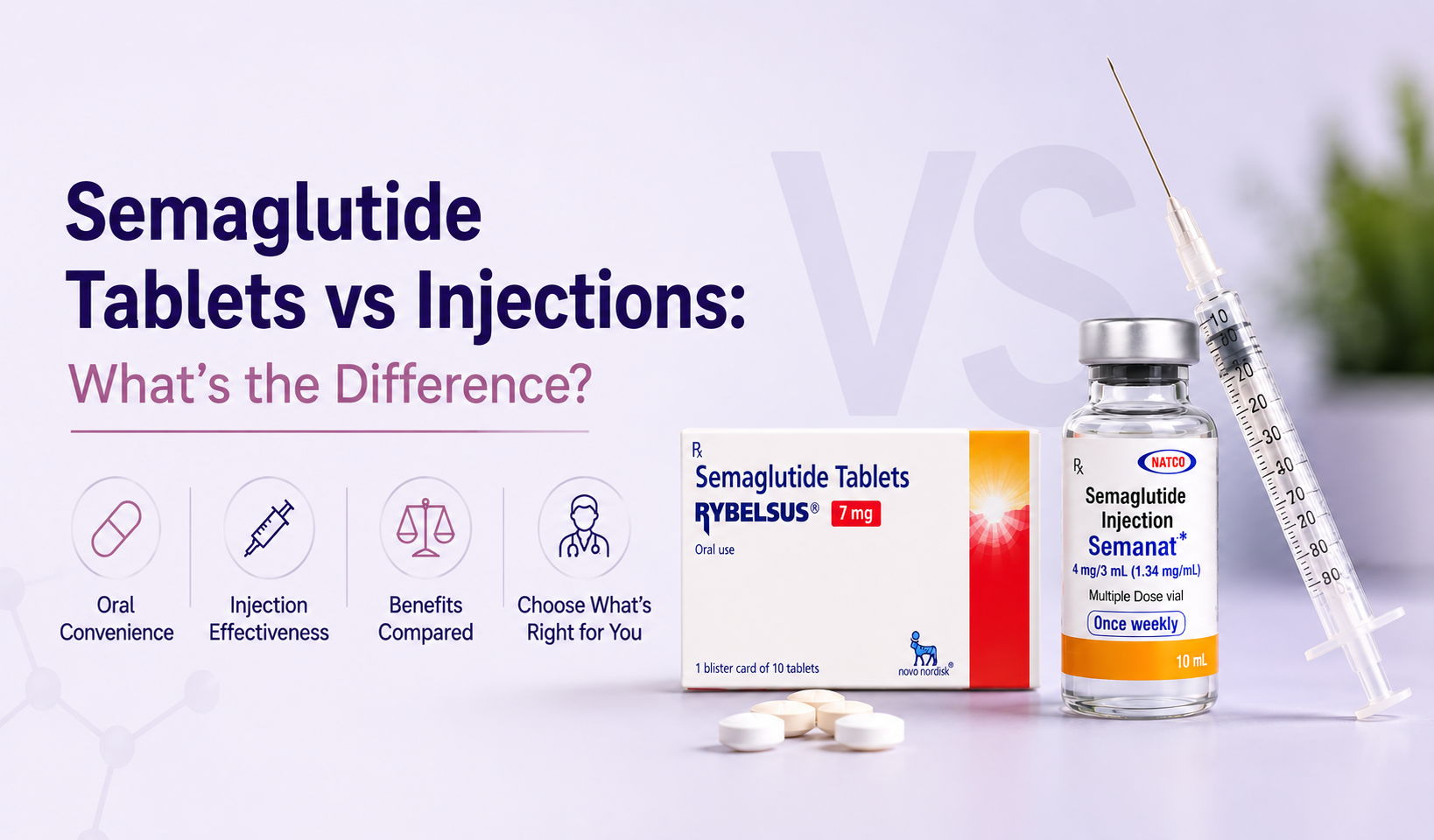
Semaglutide tablets and injections contain the same active ingredient but are not interchangeable. Oral absorption is very different from subcutaneous injection, and products can have different FDA-approved uses, strengths and schedules. Rybelsus 3 mg, 7 mg and 14 mg tablets are not the same product as Wegovy weight-management formulations.

Medical information note

This article is for general educational information and is not a substitute for diagnosis, prescribing, dosing or individualized medical advice. Semaglutide is a prescription medicine. Product indications and instructions differ by formulation. Readers should use the exact current prescribing information and speak with a licensed healthcare professional.

Same active ingredient does not mean same product

Oral and injectable semaglutide share the active ingredient, but the body receives them differently. A subcutaneous injection bypasses the digestive tract. An oral tablet must be formulated so that some semaglutide can be absorbed through the stomach, and its instructions are designed around that challenge.

This is the most important comparison point because it prevents a common mistake: comparing milligrams across formulations as if they were equivalent. They are not.

Approved uses can differ

Rybelsus 3 mg, 7 mg and 14 mg tablets are labeled for type 2 diabetes. Current Wegovy labeling covers chronic weight management using specific injectable and oral formulations. The newer Wegovy tablets use different strengths from Rybelsus. A product’s indication comes from its exact FDA labeling, not simply from the presence of semaglutide.

For website content, this distinction should be stated clearly anywhere oral products are discussed alongside weight loss.

Administration routines are different

Injection regimens can be weekly, depending on the product. Oral semaglutide products are taken daily and can have specific instructions regarding an empty stomach, water and the timing of food, beverages and other oral medicines. Those instructions exist because oral absorption can be sensitive to how the medicine is taken.

Convenience is personal. Some people prefer a tablet, while others prefer a once-weekly injection. The clinically appropriate option depends on the approved indication, health history, tolerability and prescriber recommendation.

Absorption and variability

Oral semaglutide has lower and more variable bioavailability than injected semaglutide. Current labeling for oral Wegovy notes greater variability in semaglutide blood concentrations with tablets. That is another reason not to treat a tablet dose as a direct substitute for an injection dose.

If a person is not responding as expected, the answer is not to improvise a switch. The prescriber should evaluate adherence, administration technique, other medicines, tolerability and whether a different approved treatment is appropriate.

Safety themes overlap

Because both formulations deliver semaglutide, they share important safety themes, including gastrointestinal effects and warnings specific to semaglutide products. But formulation-specific instructions and drug-interaction considerations can differ.

Anyone comparing options should ask two questions first: What exact product is this? What is it FDA-approved to treat? Those questions are more useful than asking whether a pill is ‘stronger’ than a shot.

Frequently Asked Questions

Are semaglutide tablets and injections the same dose?

No. Milligram strengths cannot be compared directly across oral and injectable formulations.

Is Rybelsus approved for weight loss?

Rybelsus 3 mg, 7 mg and 14 mg is labeled for type 2 diabetes, not as the same weight-management product as Wegovy.

Is there an oral form of Wegovy?

Current U.S. Wegovy labeling includes an oral tablet formulation for weight reduction in adults, with strengths different from Rybelsus.

Which is better, semaglutide tablets or injections?

There is no universal answer. The appropriate formulation depends on indication, medical history, tolerability, routine and prescriber guidance.

How Does Semaglutide Help With Weight Management?

Semaglutide supports weight management mainly by activating GLP-1 receptors that influence appetite and calorie intake. It can also delay gastric emptying. For eligible patients, these effects may make a reduced-calorie eating plan easier to follow, but treatment still requires attention to nutrition, activity, side effects and long-term follow-up.

Medical information note

This article is for general educational information and is not a substitute for diagnosis, prescribing, dosing or individualized medical advice. Semaglutide is a prescription medicine. Product indications and instructions differ by formulation. Readers should use the exact current prescribing information and speak with a licensed healthcare professional.

Weight management is more than appetite suppression

Weight regulation involves biology as well as behavior. Hunger, fullness, food reward, energy expenditure, sleep and medical conditions all interact. Semaglutide does not erase those factors, but it can change part of the appetite signal in a way that helps some people eat less without feeling the same level of hunger.

That is why the term ‘weight management’ is more useful than ‘fat burner.’ Semaglutide is not a stimulant and does not work by melting fat directly. Its effect is tied to appetite, calorie intake and metabolic signaling.

What the GLP-1 receptor does

GLP-1 is involved in the body’s response to meals. Semaglutide is designed to activate the GLP-1 receptor for longer than the natural hormone signal lasts. Prescribing information notes effects on appetite, insulin and glucagon signaling, as well as gastric emptying.

For a person using an approved weight-management formulation, the practical result may be fewer intrusive hunger signals, smaller portions or feeling full sooner. These experiences vary and should not be used to self-adjust a prescription.

Why nutrition quality matters when appetite drops

Eating less is not automatically the same as eating well. If appetite is much lower, a person can unintentionally crowd out protein, fiber, fluids, fruits, vegetables and essential nutrients. A simple plan that prioritizes nutrient-dense foods can help prevent the day from turning into a few bites of low-quality food.

People with other conditions may need individualized advice. For example, diabetes medicines, kidney disease, gastrointestinal conditions or a history of disordered eating can change the safest approach.

Activity helps preserve function

Physical activity is included in approved weight-management treatment because it supports health beyond the scale. Walking and other aerobic activity can improve fitness, while resistance training helps maintain strength and lean tissue during weight loss.

The goal is not to punish the body for eating. It is to build a routine that can survive beyond the excitement of starting a new medicine.

Long-term follow-up matters

NIDDK describes obesity as a chronic disease and notes that prescription medications can be part of long-term treatment for some people. That means follow-up is not an optional extra. A clinician may reassess benefits, side effects, other medicines and whether treatment goals are still being met.

Stopping treatment can also change appetite and weight trajectory. Any decision to continue, pause or switch should be made with the prescriber rather than based on a viral post or a short plateau.

Frequently Asked Questions

Does semaglutide burn fat directly?

No. Its weight effect is primarily linked to appetite and reduced calorie intake rather than directly burning fat.

Why do some people feel full sooner on semaglutide?

GLP-1 receptor activation influences appetite and semaglutide also delays gastric emptying, both of which can affect fullness.

Can semaglutide work without diet changes?

Weight-management labeling pairs the medicine with reduced-calorie nutrition and increased physical activity. Food quality still matters.

Is weight management with semaglutide long term?

It can be. Obesity is a chronic disease, and medication decisions are based on ongoing benefit, tolerability and clinical guidance.

Semaglutide for Weight Loss: How Does It Work?

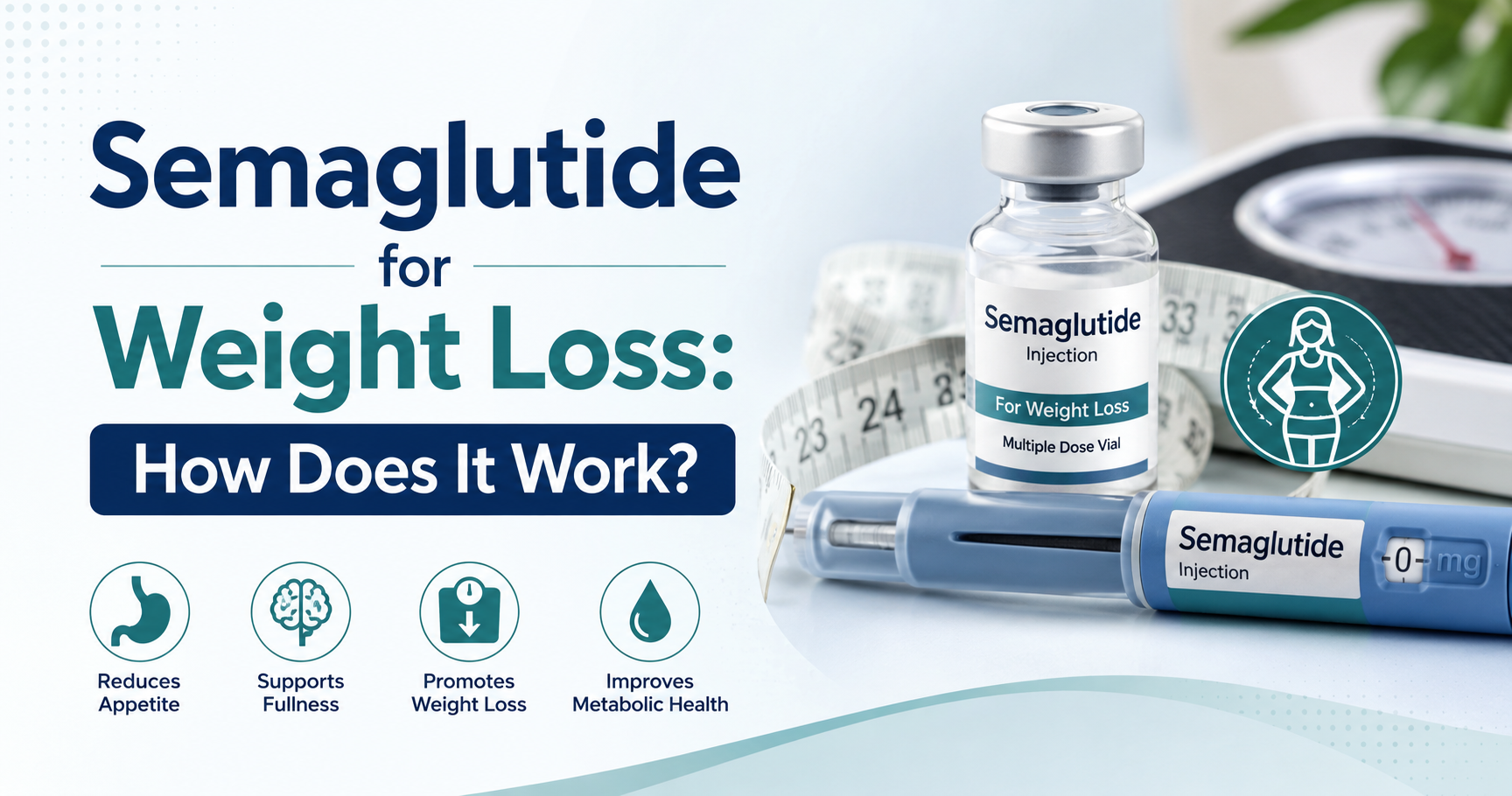
Semaglutide can support weight loss by activating GLP-1 receptors that influence appetite and calorie intake. It also slows gastric emptying and affects glucose-related hormones. For approved weight-management treatment, semaglutide is used alongside nutrition and physical activity, and individual results depend on the product, dose, health history and follow-up.

Medical information note

This article is for general educational information and is not a substitute for diagnosis, prescribing, dosing or individualized medical advice. Semaglutide is a prescription medicine. Product indications and instructions differ by formulation. Readers should use the exact current prescribing information and speak with a licensed healthcare professional.

Why GLP-1 signaling matters for weight management

Hunger is not controlled by willpower alone. The brain, gut, hormones, sleep, medications, stress and the food environment all shape appetite. Semaglutide acts on the GLP-1 receptor, one of the pathways involved in the body’s response to food.

Current Wegovy prescribing information says semaglutide decreases calorie intake and that its effects on weight are likely mediated through appetite. It also delays gastric emptying. Together, those effects may help some people feel satisfied with less food or experience less persistent hunger.

Weight loss is usually gradual

Semaglutide is not designed to produce a dramatic change overnight. Approved injection regimens use dose escalation over time, in part to reduce gastrointestinal side effects. That means the first weeks of treatment may be more about tolerability and routine than chasing a specific number on the scale.

Clinicians usually look at a broader pattern: weight trend, waist or metabolic risk, side effects, eating quality, hydration, activity, other medications and whether the treatment remains appropriate. A single week of slower progress does not tell the whole story.

Why results are different from person to person

People differ in starting weight, medical history, sleep, appetite signals, activity, medications and how well they tolerate treatment. Some may notice appetite changes early; others may need more time. People with type 2 diabetes can also have different weight responses from people without diabetes.

Online before-and-after stories can create unrealistic expectations because they rarely show the full clinical context. A safer benchmark is progress against an individualized plan, not someone else’s social-media result.

Semaglutide is part of a treatment plan, not the entire plan

FDA-approved weight-management labeling pairs semaglutide with a reduced-calorie diet and increased physical activity. That is not just fine print. Nutrition quality helps protect protein, fiber and micronutrient intake when appetite is lower, while resistance and aerobic activity support health and function.

Behavioral habits matter too. Meal planning, sleep, hydration, stress management and follow-up can make treatment easier to sustain and can help a person recognize side effects or nutritional gaps early.

Know which semaglutide product you are talking about

The word semaglutide appears on several prescription products. Rybelsus 3 mg, 7 mg and 14 mg tablets are labeled for type 2 diabetes, while Wegovy has specific weight-management labeling. Current U.S. Wegovy labeling also includes an oral formulation with different tablet strengths. These are not interchangeable products.

For that reason, an article or storefront that says only ‘semaglutide for weight loss’ without identifying the formulation and clinical context leaves out an important safety detail.

When to involve a healthcare professional

Before starting semaglutide, a clinician should review the intended product, medical history, other medicines, pregnancy plans and important contraindications or warnings. During treatment, persistent vomiting, dehydration, severe abdominal pain, symptoms of allergic reaction or other concerning changes deserve prompt medical attention.

Frequently Asked Questions

How does semaglutide cause weight loss?

It activates GLP-1 receptors and can reduce calorie intake by affecting appetite. It also delays gastric emptying, which may influence fullness.

How quickly does semaglutide work for weight loss?

The timeline varies. Appetite effects may appear before a large change on the scale, and approved treatment plans use gradual dose escalation.

Is semaglutide only for people with diabetes?

No. Certain semaglutide products are approved for chronic weight management in eligible people, while other products are approved for type 2 diabetes.

Do you still need lifestyle changes with semaglutide?

Yes. Approved weight-management treatment is used with nutrition and increased physical activity, not as a replacement for them.

What Is Semaglutide? A Complete Beginner’s Guide

Semaglutide is a prescription medicine that acts on the GLP-1 receptor, a pathway involved in appetite, digestion and blood sugar regulation. Different semaglutide products have different FDA-approved uses and dosing schedules, so the exact product, indication and instructions should always be confirmed with a licensed healthcare professional.

Medical information note

This article is for general educational information and is not a substitute for diagnosis, prescribing, dosing or individualized medical advice. Semaglutide is a prescription medicine. Product indications and instructions differ by formulation. Readers should use the exact current prescribing information and speak with a licensed healthcare professional.

Semaglutide belongs to a group of medicines called glucagon-like peptide-1, or GLP-1, receptor agonists. GLP-1 is a hormone-related signaling pathway that helps the body respond to food. Medicines in this class can influence appetite, insulin release, glucagon signaling and the speed at which the stomach empties.

That sounds technical, but the practical point is simple: semaglutide is not one single ‘weight-loss product.’ It is an active ingredient used in several prescription products. Those products may have different FDA-approved indications, strengths, formulations and instructions. A person should not assume that two products containing semaglutide are interchangeable just because the ingredient name is the same.

What is semaglutide used for?

Semaglutide has approved uses that include type 2 diabetes management and, in specific products, chronic weight management. Current U.S. labeling also includes cardiovascular-risk reduction for certain patients and additional indications for some semaglutide products. Eligibility depends on the product and a person’s medical situation.

For weight management, prescription medication is generally considered as one part of a broader plan that also includes nutrition, physical activity, behavioral support and follow-up. NIDDK notes that weight-management medications may be considered for adults with obesity or for some adults with overweight who also have weight-related health problems. A clinician makes that decision using more than a number on the scale.

How does semaglutide work?

Semaglutide activates the GLP-1 receptor. According to current prescribing information, it can reduce calorie intake, and its effects on body weight are thought to be mediated in part through appetite. It also stimulates insulin secretion and lowers glucagon in a glucose-dependent manner. Semaglutide can delay gastric emptying, which is one reason it may affect fullness and the absorption of some oral medicines.

These effects happen gradually rather than as an instant appetite switch. Response varies from person to person, and side effects can also influence how treatment feels in the first weeks or months.

Oral semaglutide and injectable semaglutide are not automatically equivalent

Semaglutide can be given by injection or taken as a tablet, but formulation matters. The 3 mg, 7 mg and 14 mg Rybelsus strengths are labeled for type 2 diabetes, while current Wegovy labeling includes a different oral formulation and strength schedule for weight management. That distinction is especially important when reading online product pages or comparison articles.

Never translate a tablet strength into an injection dose, or vice versa. Absorption, formulation and approved instructions differ. Switching between products is a clinical decision, not a math problem.

What should people know about safety?

Common adverse effects in semaglutide weight-management trials include gastrointestinal symptoms such as nausea, diarrhea, vomiting, constipation and abdominal discomfort. Current Wegovy labeling also carries a boxed warning about thyroid C-cell tumors observed in rodents and lists important warnings involving pancreatitis, gallbladder disease, kidney injury related to dehydration, severe gastrointestinal reactions and other risks.

A medical history matters. People should tell a clinician about other medicines, prior serious reactions, pregnancy plans, diabetes treatments, digestive problems and relevant endocrine history before starting a semaglutide product. This is also why buying a prescription medicine from an unverified online source is a poor substitute for clinical care.

The most useful way to think about semaglutide

Semaglutide can be a useful treatment for appropriately selected patients, but it works best when the exact product, indication and follow-up plan are clear. Good information should help a reader understand what the medicine does, what it does not do, and what questions deserve a conversation with a clinician.

Frequently Asked Questions

Is semaglutide a GLP-1 medicine?

Yes. Semaglutide is a GLP-1 receptor agonist. It acts on the GLP-1 receptor, which is involved in appetite, glucose regulation and digestion.

Is every semaglutide product approved for weight loss?

No. Approval depends on the specific product and formulation. Do not assume all semaglutide tablets or injections have the same indication.

Does semaglutide work immediately?

Not usually. Its effects develop over time, and treatment plans often use gradual dose escalation under clinical supervision.

Can semaglutide replace diet and exercise?

No. Approved weight-management uses are paired with reduced-calorie nutrition and increased physical activity, plus medical follow-up when appropriate.

Add to cart